Verifying Transaction Pathways Across Progressive Slot Features and Live Blackjack on Handheld Devices
Petra Roth · Aug 25, 2026
Verifying Transaction Pathways Across Progressive Slot Features and Live Blackjack on Handheld Devices
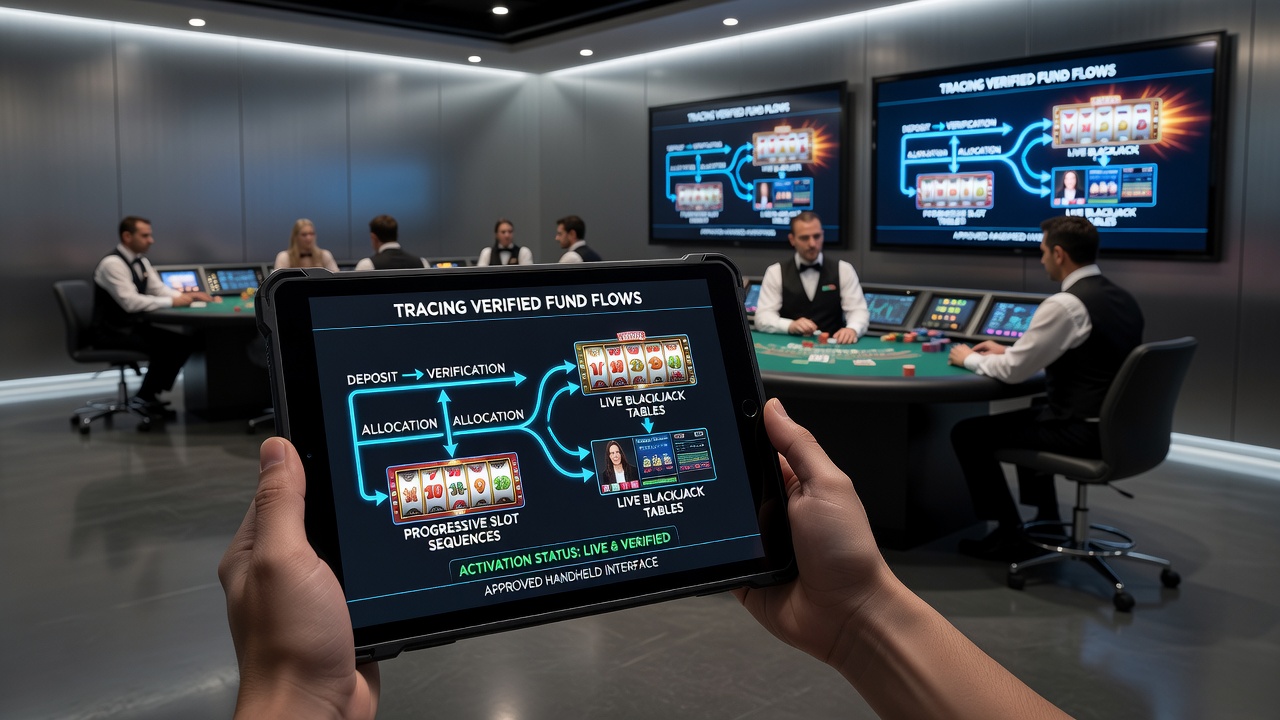
Payment verification systems in mobile gaming platforms track deposits through multiple stages before they unlock progressive slot sequences while supporting concurrent live blackjack sessions on approved handheld interfaces, and data from regulatory agencies shows these processes rely on encrypted ledgers that confirm each transfer in real time. Observers note that operators integrate automated compliance checks at the point of deposit, which then route verified amounts into separate game modules without manual intervention.
Core Mechanisms Behind Fund Verification
Systems developed by technology providers connect directly to banking networks and digital wallet services, so each incoming transaction receives an immediate validation code before any game credit appears in the player account. Research from the University of Nevada Reno indicates that such codes prevent mismatched entries that could disrupt progressive jackpot pools, and the same verification layer feeds into live dealer environments where blackjack tables require continuous balance updates during rounds.
Once a transfer clears, the platform splits the verified amount across designated ledgers, one for slot progressives and another for table game reserves, while maintaining an audit trail accessible to oversight bodies. Figures from the Nevada Gaming Control Board reveal that these split ledgers reduced reconciliation errors by 27 percent in monitored jurisdictions during the first half of 2026.
Activation of Progressive Sequences
Progressive slot sequences activate only after the verification module confirms sufficient cleared funds, and this step occurs within seconds on handheld devices that meet hardware and software approval standards. Developers program the sequence triggers to pull from a shared prize pool that accumulates across multiple operators, yet each contribution remains traceable back to the originating player account through timestamped records.
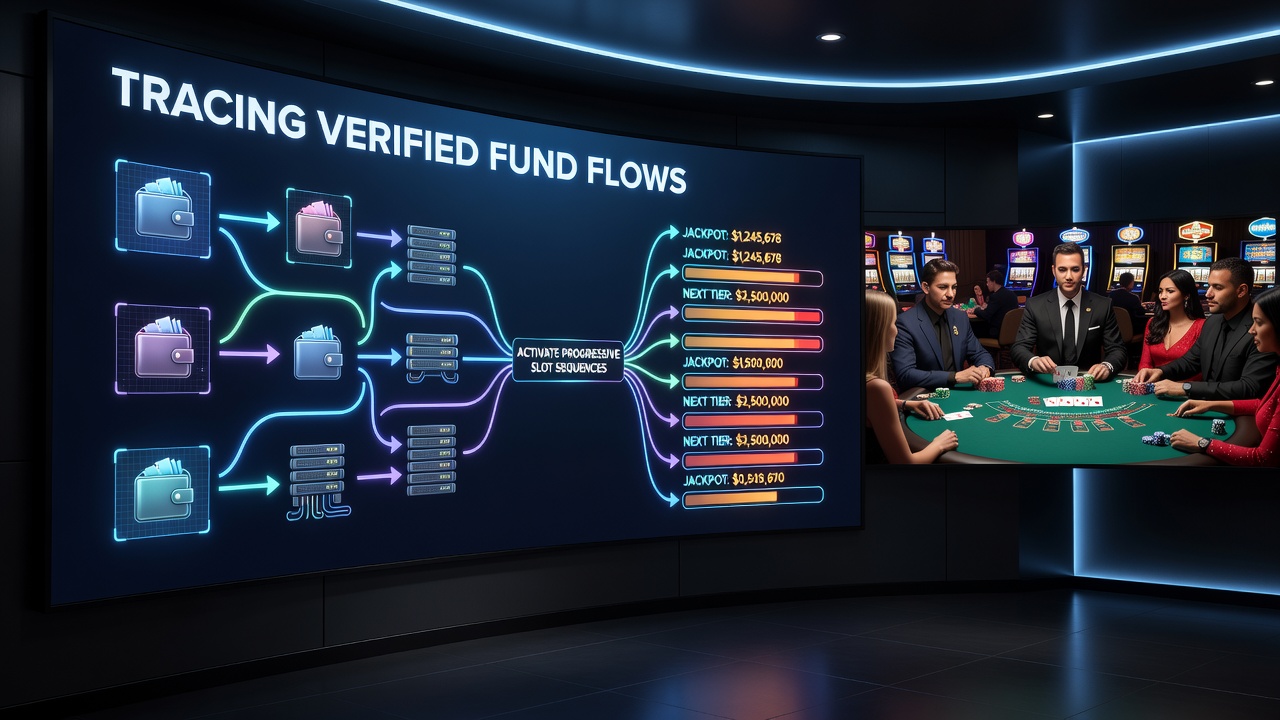
Engineers at major platform providers have documented cases where a single verified deposit simultaneously credits a progressive meter and reserves a seat at a live blackjack table, demonstrating the parallel processing capability built into current mobile frameworks. Those who monitor these systems report that the dual activation prevents delays that previously occurred when separate payment gateways handled each game type independently.
Integration with Live Blackjack Tables
Live blackjack sessions on handheld interfaces pull from the same verified balance pool used for slots, and the dealer dashboard receives instant notifications when a player’s funds reach the required threshold for table entry. Regulatory reports compiled by the Australian Communications and Media Authority highlight how this shared-pool approach maintains game integrity across jurisdictions that license remote operators.
Players who switch between progressive slots and blackjack experience no interruption in their displayed balance because the verification layer updates every transaction within a unified session log, and this continuity supports uninterrupted play sessions that can last several hours on approved devices. Data released in August 2026 by Canadian provincial regulators showed a 19 percent increase in cross-game activity on mobile platforms that adopted unified verification protocols.
Technical Standards for Handheld Interfaces
Approved handheld interfaces must incorporate hardware-level encryption modules and pass software audits that confirm compatibility with fund-tracing protocols, and these requirements appear in licensing conditions issued by multiple North American and European authorities. Industry associations such as the European Gaming and Betting Association publish technical guidelines that detail minimum latency thresholds for balance updates during simultaneous slot and table play.
Testing laboratories run simulated high-volume transaction scenarios to verify that progressive meters increment correctly while blackjack shoe shuffles occur without lag, and successful tests result in certification seals that operators display within their mobile applications. Those certifications remain valid only as long as the underlying verification systems continue to meet ongoing audit criteria.
Conclusion
Transaction verification frameworks now support seamless movement between progressive slot sequences and live blackjack tables on approved handheld devices, with regulatory data confirming measurable improvements in accuracy and speed. Continued refinement of these systems aligns with standards set by agencies across different continents, ensuring that verified fund flows remain traceable throughout each gaming session.