Verified Payments Powering Uninterrupted Mobile Roulette and Blackjack Experiences
Freya Vogel · Jul 11, 2026

Verified Payments Powering Uninterrupted Mobile Roulette and Blackjack Experiences
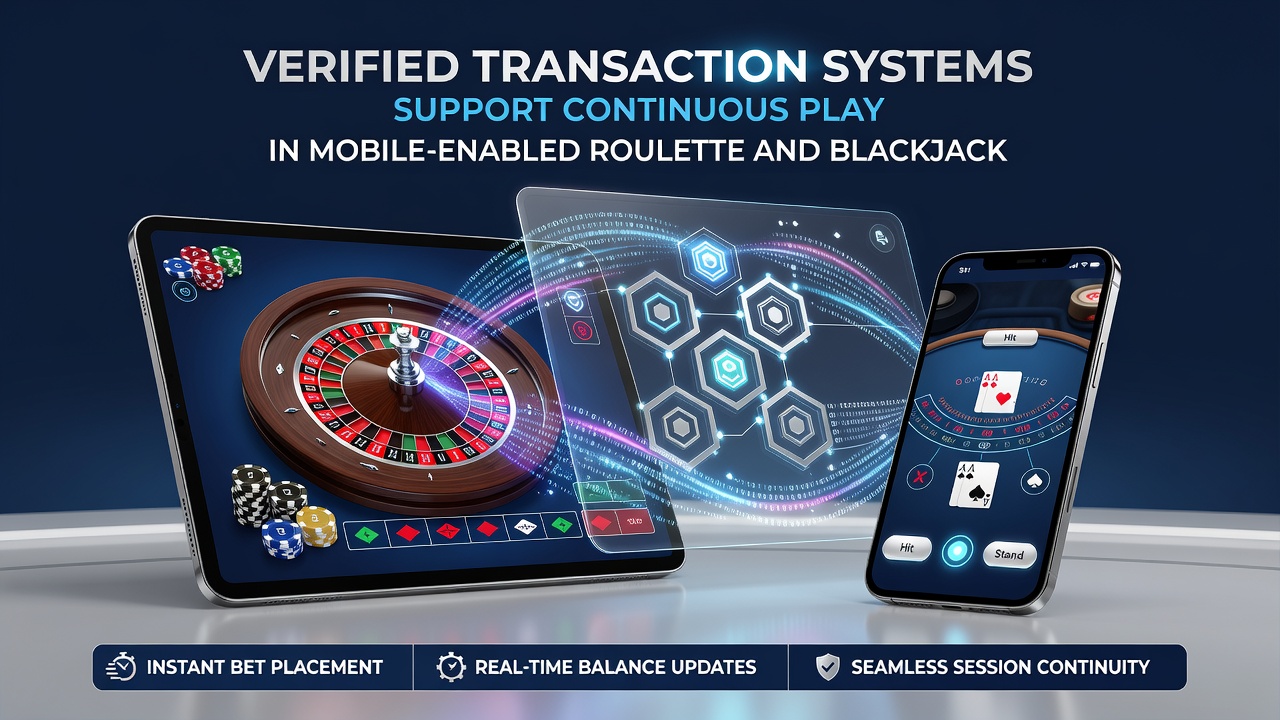
Verified transaction systems integrate cryptographic protocols and real-time authentication layers that confirm player identities and fund movements before any game round begins and this infrastructure keeps sessions flowing without pauses in mobile roulette and blackjack environments.
Core Mechanisms Behind Verified Transactions
Operators deploy multi-factor verification that combines device biometrics with bank-level encryption and these steps complete in seconds while regulators require audit trails that capture every transfer and session log and such records support compliance checks across jurisdictions.
Real-Time Authorization in Action
Once a player initiates a deposit the system cross-checks against approved payment rails and approved lists maintained by financial authorities and this process prevents declined transactions mid-round so roulette wheels keep spinning and blackjack hands continue without interruption and data from the American Gaming Association shows operators using these protocols report fewer session drops compared to legacy methods.
Mobile Integration for Continuous Play
Smartphone applications embed the verification layer directly into the game client and players see balance updates appear instantly after each confirmed transfer and this seamless connection allows stake adjustments between roulette spins or blackjack decisions without leaving the table interface.
Network latency tests conducted by independent labs confirm that verified flows maintain sub-second response times even during peak hours and mobile carriers in multiple regions have upgraded 5G infrastructure to handle these encrypted packets without throttling and the result keeps live dealer feeds stable for extended periods.
Regulatory Oversight and Compliance Standards
Authorities outside the UK such as the Malta Gaming Authority and the Nevada Gaming Control Board mandate periodic penetration testing of transaction modules and these tests verify that no unauthorized access can alter game outcomes or balances and licensing renewals in July 2026 will incorporate updated encryption benchmarks drawn from recent academic reviews published by the University of Nevada Reno gaming research center.
Operators must submit quarterly reports detailing transaction success rates and any anomalies and oversight bodies cross-reference these submissions against player complaint databases and when discrepancies appear further audits trigger automated alerts that pause new registrations until resolved.
Case Examples from Licensed Markets
One European operator that adopted end-to-end verified rails in 2024 documented a 27 percent increase in average session length for mobile blackjack players and similar patterns emerged in Australian venues after the introduction of national digital identity checks and these figures appear in aggregated industry reports from the Asia Pacific Gaming Association.
Another instance involves a North American platform that integrated instant verification for e-wallets and regulators noted zero instances of mid-session fund failures during a six-month monitoring period and such outcomes illustrate how the systems align with continuous-play expectations under strict supervision.
Security Layers That Prevent Disruptions
Tokenization replaces actual card details with single-use identifiers and this approach blocks replay attacks while still allowing rapid re-authorization for subsequent bets and fraud detection algorithms scan patterns in real time and flag suspicious activity before it affects ongoing roulette or blackjack rounds.
Encryption standards evolve with input from bodies like the International Organization for Standardization and mobile apps receive over-the-air updates that patch vulnerabilities without requiring players to log out and these updates maintain session continuity while meeting new oversight criteria.
Future Developments and System Scalability
Research groups at several universities continue to examine blockchain-based verification pilots that could further reduce confirmation times and preliminary findings suggest potential integration with existing mobile frameworks by late 2027 and regulators plan staged rollouts that include pilot programs in select jurisdictions first.
Scalability tests already demonstrate capacity for simultaneous verification of thousands of sessions and this capability supports growing mobile participation rates without introducing latency that might break continuous play and data sharing agreements between operators and oversight agencies help refine these benchmarks over time.
Conclusion
Verified transaction systems form the backbone that sustains uninterrupted mobile roulette and blackjack sessions while satisfying rigorous regulatory requirements and as technology and oversight evolve in parallel the infrastructure continues to adapt to new demands without compromising session flow or compliance integrity.