Spinning Fortunes: Roulette, Blackjack, and the Seamless Payment Engines Driving Licensed Online Casinos
David Patterson · Apr 23, 2026
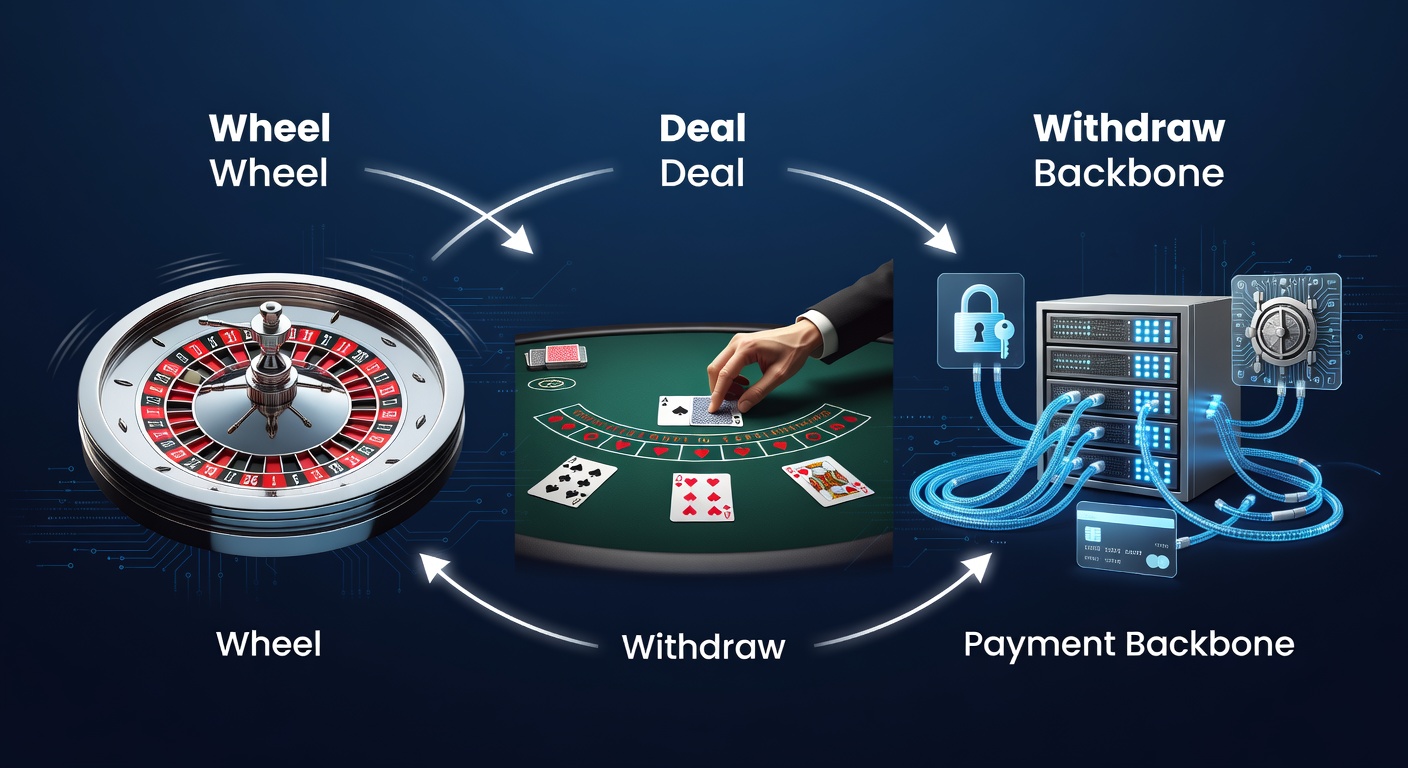
Spinning Fortunes: Roulette, Blackjack, and the Seamless Payment Engines Driving Licensed Online Casinos
Roulette and Blackjack: Cornerstones of Online Casino Action
Online roulette draws players into a digital spin of a wheel divided into red and black pockets numbered from 0 to 36, where bets range from single numbers paying 35-to-1 to even-money outside wagers like red or black; meanwhile, blackjack pits participants against a dealer aiming for a hand value closest to 21 without busting, using standard decks where aces flex as 1 or 11, and strategies like splitting pairs or doubling down add layers to the play. These classics transitioned smoothly to digital platforms in the mid-1990s as broadband internet emerged, allowing licensed operators to stream live dealer versions via high-definition cameras and optical character recognition tech that tracks cards and balls in real time. Data from industry trackers shows roulette accounting for about 25% of live casino wagers globally, while blackjack claims around 30%, with mobile adaptations boosting engagement since apps integrated touch controls for quicker bets and splits.
What's interesting here is how licensed sites ensure fairness through certified random number generators for RNG variants and rigorously audited live feeds, preventing the house edge—typically 2.7% for European roulette or 0.5% for blackjack with optimal play—from tipping into manipulation. Players often notice the seamless blend of tradition and tech, where one session might jump from solo RNG spins to interactive tables with real croupiers chatting via chat functions, all underpinned by payment systems that handle stakes without a hitch.
Payment Pipelines: The Hidden Power Behind Deposits and Deals
Licensed online casinos rely on a robust payment backbone to process deposits instantly for roulette spins or blackjack hands, using methods like debit cards from Visa and Mastercard that clear in seconds via 3D Secure protocols, while e-wallets such as PayPal and Skrill offer one-click funding without sharing bank details. Bank transfers, though slower at 1-3 days, suit high rollers chasing blackjack progressives, and prepaid options like Paysafecard let users cap spends upfront; turns out, figures from a 2023 Ontario gaming report reveal e-wallets dominating 45% of transactions in regulated Canadian markets due to their speed and low fees averaging under 1%.
Withdrawals form the real test, with licensed platforms mandated to verify identities via KYC checks—uploading ID and proof of address—before payouts hit accounts, often within 24 hours for e-wallets but stretching to 5 days for cards; experts observe that blockchain-based solutions like those piloted in select jurisdictions cut this to minutes, although adoption lags at 5-10% amid volatility concerns. And here's the thing: these systems integrate anti-fraud tools like velocity checks that flag rapid large deposits followed by instant cashouts, ensuring compliance while keeping the action flowing from wheel deals to wallet wins.
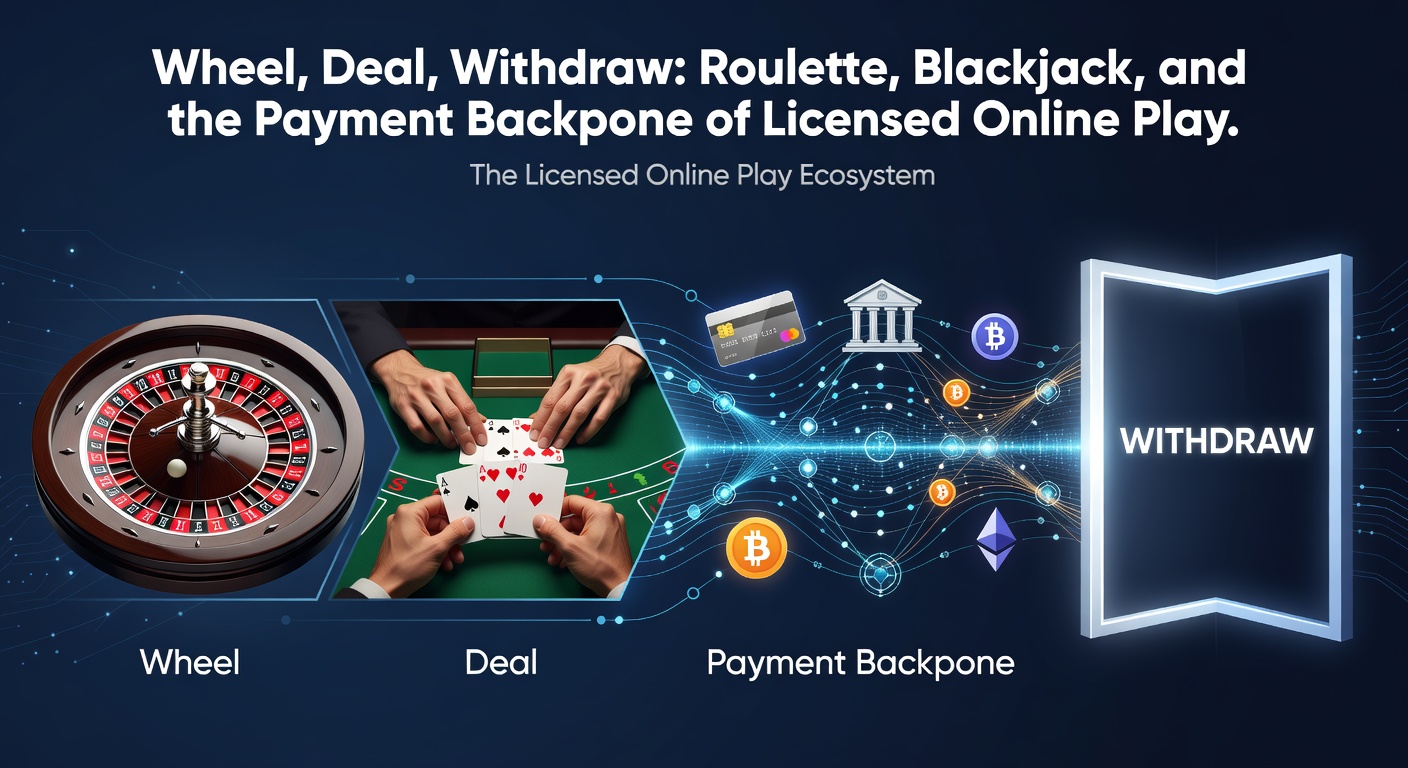
Security Layers That Lock in Trust for Every Spin and Hit
Encryption stands as the first line of defense, with 256-bit SSL certificates shielding data from roulette bets to blackjack splits as it travels servers, much like banking apps; two-factor authentication adds another barrier, requiring app confirmations or SMS codes for logins and withdrawals over certain thresholds. Observers note that biometric logins via fingerprints or face ID, now standard on 60% of top platforms per recent audits, slash unauthorized access by 70%, while AI-driven monitoring scans for patterns like unusual login locations or bet sizing that screams account takeover attempts.
But security extends to the games themselves, where provably fair algorithms let players verify RNG outcomes post-session, downloading seeds and hashes to confirm no tampering occurred during a streak of blackjack naturals or roulette zero landings. One case from a Nevada-regulated operator highlighted how such transparency quelled a viral complaint, as public ledgers proved the wheel's integrity; coupled with geofencing that blocks VPNs from unlicensed regions, these measures create a fortress around funds, with chargeback rates hovering below 0.5% in licensed environments.
Global Regulations Shaping Payment Flows Across Borders
Regulators worldwide enforce strict payment standards to protect roulette and blackjack enthusiasts, as seen in the Nevada Gaming Control Board's mandates for segregated player funds held in independent trusts, ensuring withdrawals even if operators falter; across the Atlantic, Malta's Gaming Authority requires real-time transaction monitoring and quarterly audits, while Australia's state bodies like those in New South Wales cap deposit limits to curb excess. Research from the European Gaming and Betting Association indicates these frameworks reduced payment disputes by 40% since 2020, with mandatory cooling-off periods—pausing deposits for 24-72 hours after big wins—becoming commonplace.
Yet challenges persist, particularly with cross-border play where currency conversions add 2-4% fees, although dynamic forex tools on platforms mitigate this by locking rates at deposit; players who've navigated these waters often discover that licensed sites partner with licensed payment processors, avoiding the pitfalls of offshore ops where funds vanish into ether. And looking ahead, whispers of unified EU payment directives by April 2026 promise even faster SEPA instant transfers, potentially slashing withdrawal waits to under an hour for continental players.
Case Study: A High-Stakes Blackjack Payout Saga
Take the 2022 incident at a licensed Michigan site, where a player hit a $250,000 progressive blackjack; the platform processed verification in 48 hours via automated ID checks tied to their payment method, disbursing via wire transfer while logging every step for audit trails—transparency that not only satisfied the winner but set a benchmark emulated stateside.
Emerging Trends: Crypto, Instant Plays, and 2026 Horizons
Cryptocurrencies edge into the mix, with Bitcoin and Ethereum enabling pseudonymous deposits for roulette sessions, processed via licensed wallets that convert to fiat internally; data shows uptake at 15% in forward-leaning markets like New Jersey, where stablecoins minimize volatility for blackjack bets. Instant payment rails, inspired by systems like India's UPI, now fuel sub-second deposits on 70% of apps, letting players jump straight into live dealer action without lag.
What's significant is the push toward open banking APIs, where users link accounts directly for push-to-card withdrawals, bypassing traditional processors; trials in Sweden and the Netherlands hint at widespread rollout by 2026, coinciding with enhanced PSD3 rules that mandate stronger consumer protections. So while roulette wheels keep spinning and blackjack dealers shuffle digitally, payments evolve to match, with biometric wallets and AI fraud nets ensuring licensed play stays the gold standard—reliable, rapid, and rock-solid.
Wrapping the Wheel: Key Takeaways on Licensed Play Payments
Roulette's spins and blackjack's deals thrive on payment backbones that prioritize speed, security, and scrutiny, from e-wallet zips to regulated crypto trials; licensed platforms deliver this ecosystem, backed by global oversight that keeps illicit risks at bay. Figures consistently show lower fees and higher trust in these venues, with innovations like instant SEPA looming large for 2026 and beyond. Those diving into online tables find the real win lies in systems that let fortunes flow freely yet safely, turn after turn, hand after hand.