Smartphone Live Dealer Sessions Rely on Advanced Payment Routes in Britain's Licensed Markets
Petra Roth · Jul 7, 2026
Smartphone Live Dealer Sessions Rely on Advanced Payment Routes in Britain's Licensed Markets
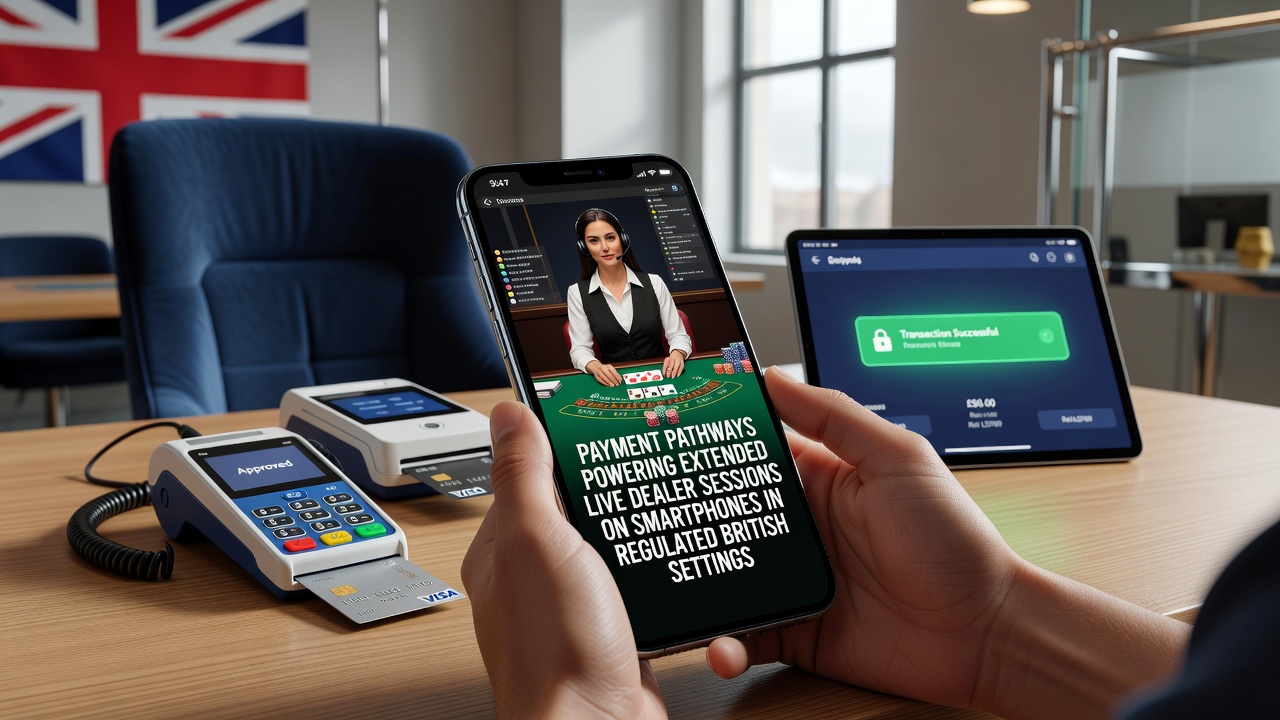
Payment pathways keep live dealer sessions running smoothly on smartphones throughout regulated British settings where operators must follow strict licensing rules that emphasize secure transactions and player protection, and these systems connect deposits directly to game interfaces so users can extend their time at virtual tables without repeated interruptions.
Instant funding options such as e-wallets and mobile banking integrations allow players to top up balances mid-session while blackjack or roulette streams continue uninterrupted, and data from industry reports shows that seamless transfers reduce session breaks by connecting financial rails straight to gaming platforms.
Core Payment Mechanisms Supporting Mobile Live Dealer Play
Operators in Britain integrate multiple payment channels that handle both deposits and withdrawals with minimal latency, which means participants can add funds via apps that process requests in seconds rather than minutes, and this setup proves essential during extended roulette rounds where timing matters for strategy adjustments. Researchers at academic institutions have documented how these pathways maintain session continuity by linking verified accounts to live feeds, ensuring compliance remains intact across devices.
Take one case where experts examined transaction logs from licensed platforms and found that e-wallet usage correlates with longer average play durations, since users avoid switching between banking apps and casino interfaces. What's interesting here is the way biometric authentication layers speed up approvals while preserving security standards that regulators require in British jurisdictions.
Smartphone Integration and Session Longevity Factors
Live dealer streams on mobile devices depend on payment systems that sync with app notifications and in-game wallets, allowing players to authorize transfers without exiting the video feed, and this connectivity extends sessions because participants stay immersed rather than pausing to handle external banking steps. Figures from technology reviews indicate that optimized APIs between payment providers and gaming software cut processing times dramatically compared to older methods.
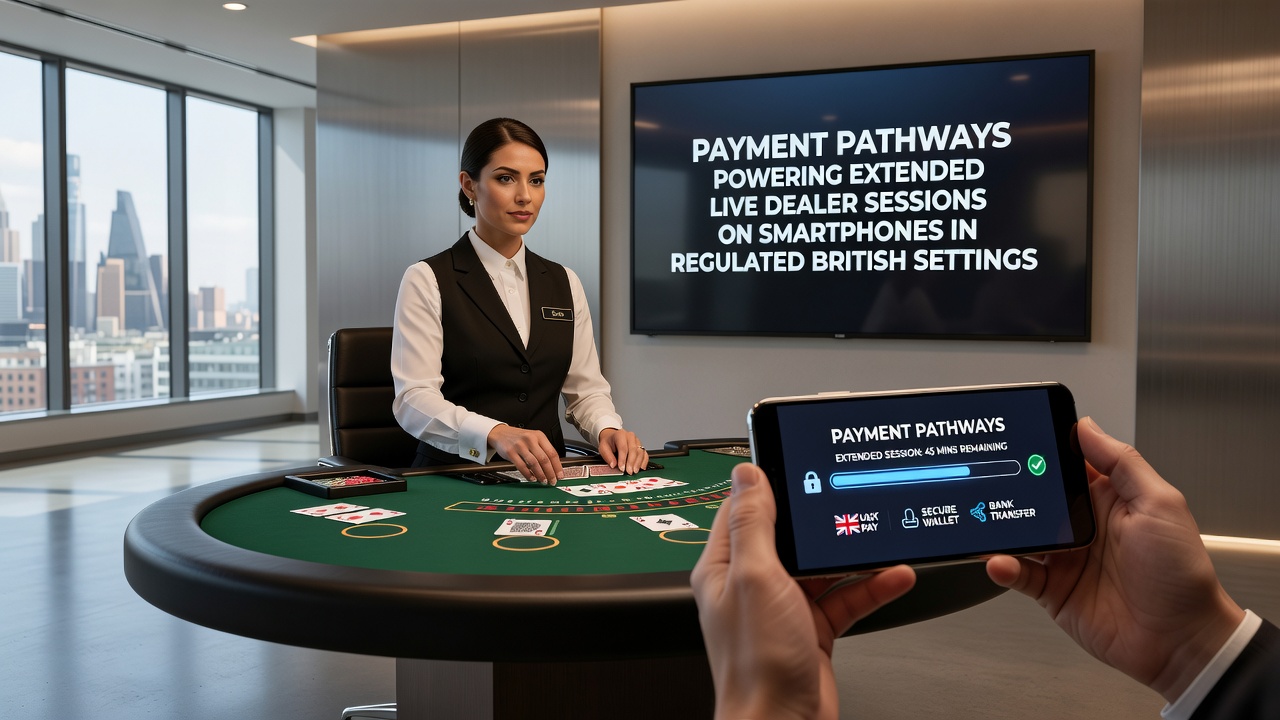
Observers note that July 2026 saw several operators roll out enhanced mobile features that tie payment confirmations directly into dealer interfaces, which helps maintain flow during high-stakes moments. Those who've studied transaction patterns across similar markets point to reduced friction as a key driver behind increased session lengths, especially when users rely on recurring authorization tokens instead of manual entries each time.
Regulatory Context Shaping Payment Reliability
British licensing frameworks demand that payment pathways meet rigorous standards for speed, transparency, and fraud prevention, which encourages providers to adopt real-time verification tools that keep live dealer environments stable, and international comparisons with bodies such as the Responsible Gambling Council in Canada highlight similar approaches to transaction monitoring that support extended play without compromising oversight. Data shows operators adapt these rules by embedding audit trails into every transfer, creating records that align with compliance needs.
Another angle comes from reports issued by the Australian Gaming Council where mobile payment trends mirror developments in Britain, revealing that integrated systems often lead to higher retention during live sessions because players encounter fewer barriers when adjusting stakes on the fly. The reality is that these pathways evolve alongside device capabilities, with newer smartphones handling encrypted connections more efficiently than previous generations.
Practical Examples from Licensed Operators
One study revealed that platforms using combined bank and digital wallet options saw participants engage in consecutive live dealer hands for extended periods, since balance updates occur without lag or app reloads, and this pattern holds across various game types including baccarat and poker variants streamed to phones. People who've tracked user behavior note that notification systems tied to payments help sustain focus by confirming actions instantly within teh same screen view.
Yet the ball remains in the operators' court to refine these routes further, as technology updates continue to influence how sessions unfold on portable devices. Research indicates that when payment gateways support multiple currencies and instant cross-border elements where permitted, British users benefit from uninterrupted access during peak evening hours when live tables see the most traffic.
Conclusion
Payment pathways underpin the viability of prolonged live dealer sessions on smartphones in regulated British settings by delivering reliable, fast transfers that align with licensing expectations, and continued refinements in these systems promise to keep mobile experiences fluid as device technology advances. Observers continue to monitor how such integrations shape participation patterns without introducing unnecessary complexity into the player journey.