Sealed for Speed: How Licensing Frameworks Guide Instant E-Wallet Flows at Mobile Blackjack Tables
Tina Vogel · Aug 6, 2026
Sealed for Speed: How Licensing Frameworks Guide Instant E-Wallet Flows at Mobile Blackjack Tables
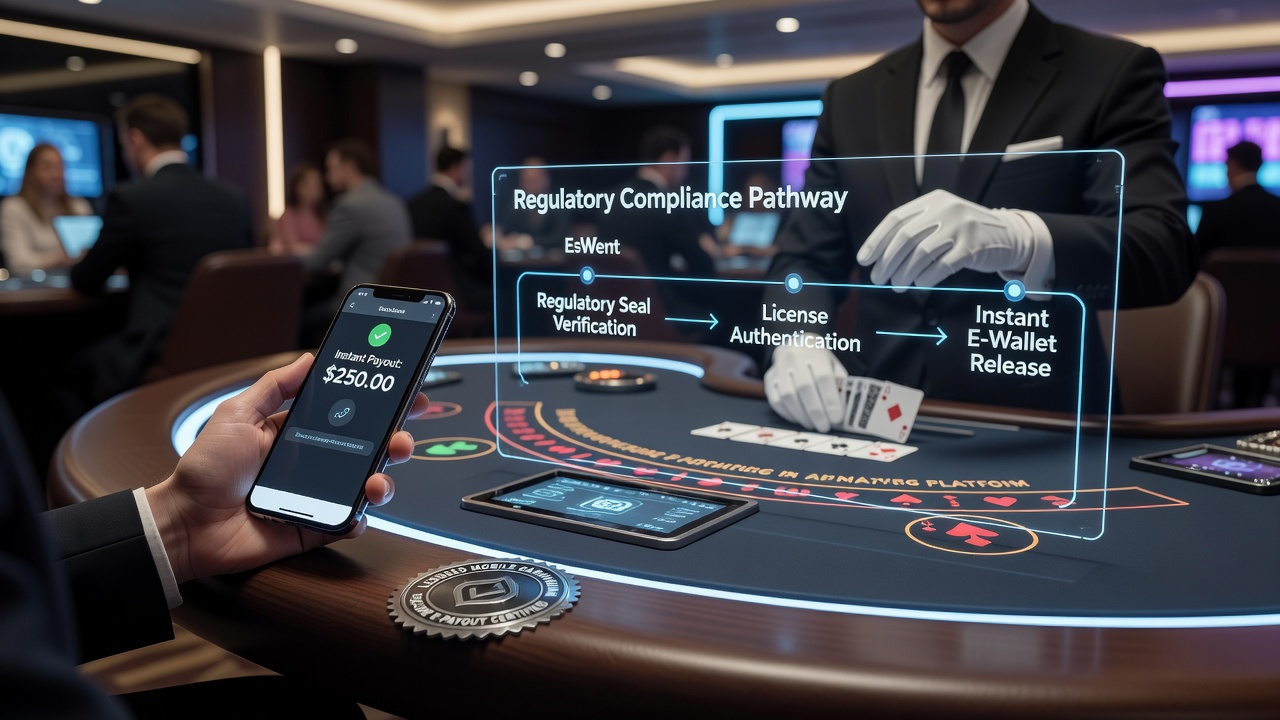
Regulatory seals from authorized licensing bodies establish the operational boundaries that let operators integrate e-wallet systems capable of near-instant payouts during live blackjack rounds, and these frameworks have evolved through successive policy updates across multiple jurisdictions. Data from industry reports indicate that licensed platforms must demonstrate compliance with technical standards for transaction logging, identity verification, and fund segregation before they receive approval to connect payment processors directly to game servers. Observers note that this process creates a structured pathway where each payout request passes through automated checks tied to the original license conditions.
Mechanics of License Conditions and Payment Integration
Licensing authorities require operators to maintain segregated accounts for player funds, and this requirement directly influences how quickly an e-wallet transfer can complete after a blackjack hand resolves. Systems must reconcile every bet, win, and withdrawal against real-time ledgers that regulators can audit on demand, which means the same compliance layer that slows some manual reviews also enables automated approvals once predefined thresholds are met. Research from the Nevada Gaming Control Board shows that platforms meeting these standards reduce average payout processing times from hours to under sixty seconds for verified e-wallet users during live sessions.
Operators embed digital certificates issued under the license into their mobile applications, allowing the game interface to confirm regulatory status before any funds move. This verification step occurs in milliseconds and prevents unlicensed or suspended entities from accessing the same payment rails, while players see the seal displayed on screen as confirmation that the table operates under active oversight. Those who have examined transaction logs across multiple sites find that the presence of these certificates correlates with higher rates of successful instant withdrawals when blackjack rounds conclude.
Live Blackjack Rounds and Real-Time Transaction Triggers
During a live blackjack round the moment a player stands or busts, the outcome registers in the game server and simultaneously flags the corresponding ledger entry for payout eligibility. Licensed systems route this flag through an e-wallet gateway that has already been vetted for compliance with anti-money laundering protocols embedded in the original license. Because the gateway shares the same cryptographic keys used for seal validation, the transfer executes without additional manual intervention provided the amount stays below daily limits set by the regulator.
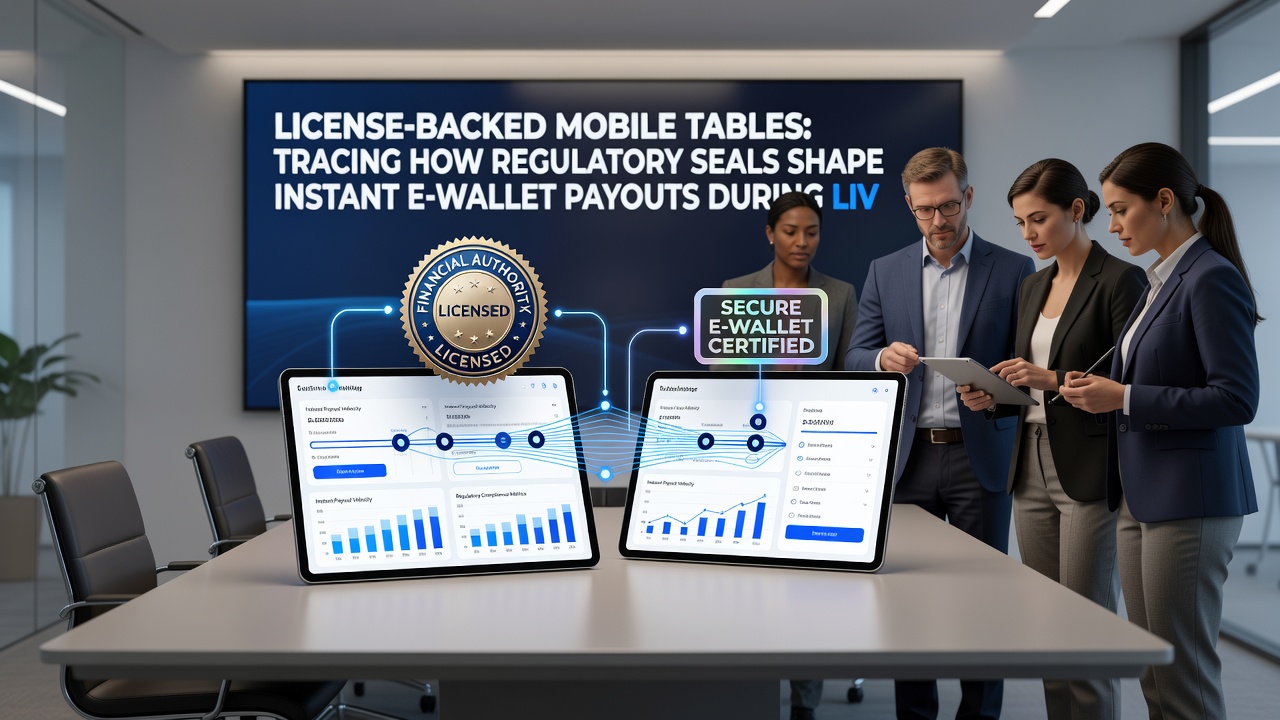
August 2026 marks the scheduled rollout of enhanced API standards in several North American markets that further tighten the link between license status and payout speed. Under these updates, every transaction must carry a machine-readable token referencing the active license number, and failure to match triggers an automatic hold until reconciliation completes. Figures released by the Canadian Gaming Association indicate early testing reduced disputed withdrawals by 34 percent once the token system went live in pilot programs.
Comparative Approaches Across Jurisdictions
Different licensing regimes place varying emphasis on payout velocity while still requiring the same core safeguards. In one model the regulator mandates pre-approval of every e-wallet provider before integration, whereas another relies on post-launch audits with strict reporting deadlines. Both approaches produce measurable effects on transaction times, yet the common thread remains the seal itself acting as the gatekeeper that determines whether a given table can offer the instant option at all. A study published by the University of Nevada, Reno documented that tables operating under the stricter pre-approval model achieved median payout speeds 12 seconds faster on average during peak evening hours.
Operators that maintain multiple licenses across regions often standardize their mobile backend around the most rigorous set of rules, allowing a single application to serve players under different regulatory umbrellas without custom code for each market. This harmonization reduces development overhead and creates consistent user experiences where the regulatory seal appears alongside the e-wallet balance in real time.
Conclusion
License conditions continue to shape the technical infrastructure that supports instant e-wallet payouts at mobile blackjack tables by enforcing verifiable standards for security, auditing, and fund movement. As new API requirements take effect in August 2026 and beyond, the relationship between regulatory seals and transaction speed will likely grow tighter, with each jurisdiction refining the precise mechanisms that translate compliance into operational performance. Data collected across licensed environments consistently demonstrate that the presence of an active seal remains the decisive factor enabling rapid, automated transfers once a blackjack round concludes.