Regulatory Threads: Linking Licensed Approvals to Mobile Wallet Flows in Slot and Live Table Sessions
Tina Vogel · Jul 23, 2026
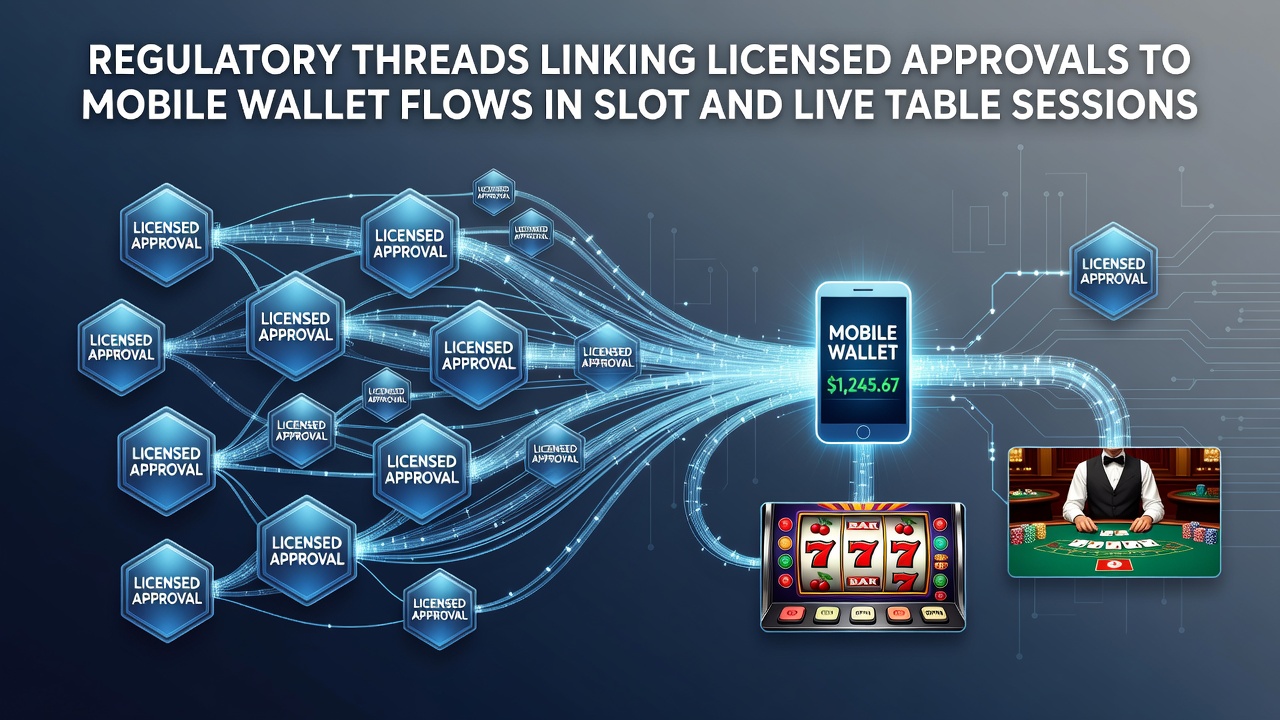
Regulatory Threads: Linking Licensed Approvals to Mobile Wallet Flows in Slot and Live Table Sessions
Regulatory frameworks across multiple jurisdictions establish clear pathways that tie operator licensing approvals directly to the technical and operational standards governing mobile wallet usage during slot and live table sessions, and these connections shape everything from transaction verification to session monitoring protocols. Licensed operators must demonstrate compliance with payment system requirements before they receive approval to offer real-money play, which means mobile wallets undergo scrutiny for encryption levels, anti-money laundering controls, and real-time reporting capabilities that align with broader licensing conditions.
Foundations of License Conditions and Payment Integration
Operators seeking licenses submit detailed documentation that outlines how mobile wallet flows will integrate with game servers, and regulators review these submissions to confirm that each deposit or withdrawal triggers mandatory checks before funds reach slot reels or live dealer tables. Data from the Nevada Gaming Control Board shows that approved systems must maintain audit trails capable of reconstructing every transaction within seconds, which creates a direct thread between the initial license grant and ongoing wallet performance in active gaming sessions.
Those threads extend further when operators expand into live table environments, where wallet authorizations must synchronize with dealer interfaces and random number generators while satisfying the same licensing criteria applied to slots. Researchers at institutions such as the University of Nevada, Las Vegas have documented how these synchronized requirements reduce discrepancies between player balances and game outcomes across both verticals.
Technical Standards That Bind Approvals to Wallet Operations
Security certifications form another critical link, because license conditions typically mandate that mobile wallets employ tokenization and multi-factor authentication before any spin or card deal can proceed. When regulators grant approval, they effectively certify that the wallet infrastructure meets thresholds for latency under 500 milliseconds during peak live table traffic and that slot sessions maintain uninterrupted connectivity without exposing player data. Observers note that failure in any single metric can trigger license suspension clauses that halt all wallet-facilitated play until remediation occurs.
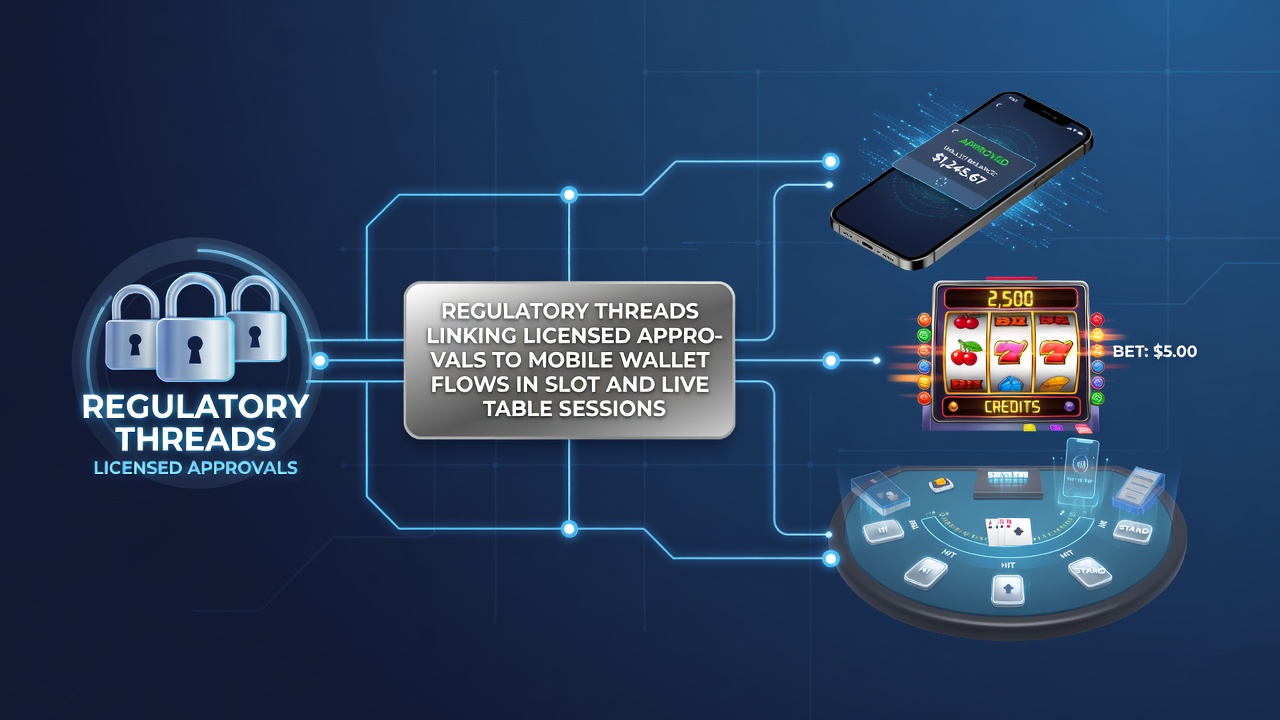
Updates scheduled for July 2026 in several North American and Australian markets will introduce additional reporting layers that require operators to transmit aggregated wallet session data to central monitoring hubs within 24 hours of each gaming day. These forthcoming rules build on existing license structures rather than replacing them, and they reinforce the original approval conditions by demanding continuous proof that mobile flows remain isolated from unauthorized external networks.
Operational Impacts Across Slot and Live Table Environments
In slot sessions, licensed approvals translate into wallet-triggered features such as instant balance updates after each spin sequence, yet the same approvals impose session timers and loss-limit flags that mobile systems must enforce automatically. Live table play introduces further complexity because dealer dashboards receive wallet confirmations in real time, allowing bets to be placed only after regulatory-mandated identity verification steps complete successfully. Industry reports indicate that operators in multiple regions have adjusted their platform architectures to ensure these steps occur without introducing noticeable delays for players.
Case examples from Canadian provincial frameworks and New Jersey Division of Gaming Enforcement oversight illustrate how a single license modification can require simultaneous updates to both slot and live table wallet modules. One documented instance involved an operator that expanded its live dealer offerings and had to re-certify its entire mobile payment stack before resuming full operations, demonstrating the interconnected nature of approval processes.
Monitoring, Reporting, and Compliance Threads
Continuous monitoring obligations keep the regulatory threads active long after initial licensing, and operators must supply evidence that mobile wallet transactions align with game fairness certifications during both slot and live table activity. Automated alerts notify regulators when wallet velocity exceeds thresholds set at the approval stage, which prevents potential misuse while preserving the integrity of ongoing sessions. Those who have examined compliance records across jurisdictions report that these alert mechanisms often catch anomalies before they affect player balances or game results.
Cross-border operators face additional layers because licenses granted in one region may reference standards from another, creating overlapping requirements for wallet encryption and data residency that directly influence how sessions are conducted on mobile devices. Academic analyses have highlighted that such overlaps encourage standardized technical solutions that benefit both slot and live table environments by reducing redundant development work.
Conclusion
The connections between licensed approvals and mobile wallet flows remain central to the operation of regulated slot and live table sessions, and evolving standards continue to tighten these links through technical mandates, reporting schedules, and real-time verification requirements. Jurisdictions worldwide maintain these threads to ensure that every deposit, spin, and payout occurs within frameworks established at the point of licensing approval.