Payment Channels Powering Licensed Mobile Experiences in Slots and Table Games
Freya Vogel · Jul 25, 2026
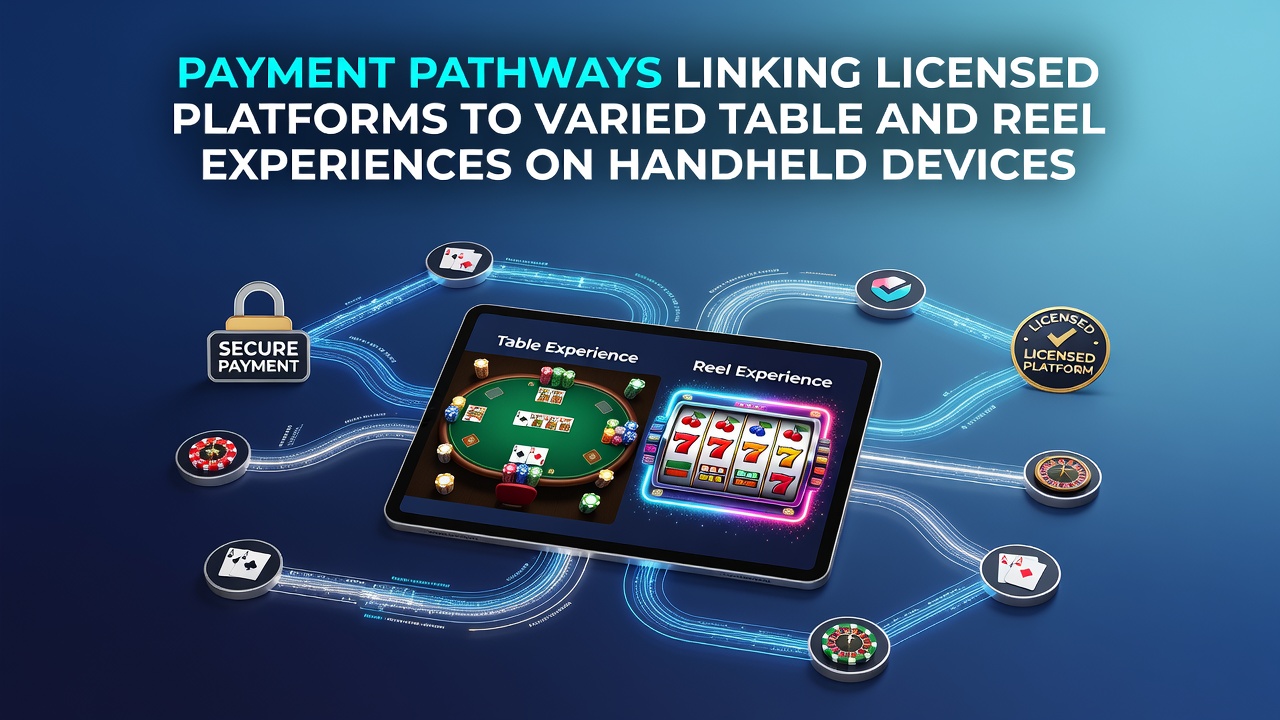
Payment Channels Powering Licensed Mobile Experiences in Slots and Table Games
Payment systems now form the backbone of licensed gaming platforms that deliver slot reels and live table experiences directly to handheld devices, with transaction routes evolving rapidly to support instant deposits and withdrawals across regulated environments. Operators integrate multiple pathways including bank transfers, digital wallets, and card networks, each verified through compliance checks that ensure funds move securely between user accounts and game servers. Data from industry reports indicate mobile transaction volumes grew substantially in recent years, driven by advancements in encryption protocols and real-time processing technologies that reduce latency during high-stakes table sessions or extended reel spins.
Core Payment Methods and Their Integration
Bank transfers remain a foundational option in many jurisdictions, yet e-wallets and prepaid solutions have gained traction because they enable faster settlement times while meeting strict licensing criteria for player verification. Those who manage licensed platforms often combine these methods into unified dashboards on smartphones, allowing seamless switches between funding a blackjack table and loading credits for video slots without leaving the app interface. Research from regulatory bodies in North America shows that platforms using multi-channel payment gateways report higher user retention rates, since participants encounter fewer interruptions when moving between reel mechanics and dealer-led table rounds on the same device.
Card-based deposits continue to serve as a reliable entry point, particularly for users who prefer familiar processing networks, and these integrate with mobile operating systems through tokenized security features that protect card details during each transaction. Observers note that licensed operators update their systems periodically to align with new technical standards, which helps maintain uninterrupted access to both reel-based games and interactive table formats even as device hardware advances.
Mobile-Specific Transaction Flows for Reel and Table Play
Handheld devices introduce unique demands on payment pathways because screen sizes and network variability require optimized interfaces that confirm transactions quickly before gameplay resumes. Reel experiences benefit from micro-transaction support that lets users top up small amounts mid-session, while table games demand higher-limit pathways that handle larger stakes without delays in dealer interactions or betting rounds. Figures from Canadian provincial regulators reveal that mobile-optimized wallets now process the majority of deposits for both game types, with processing speeds averaging under 30 seconds in compliant environments.
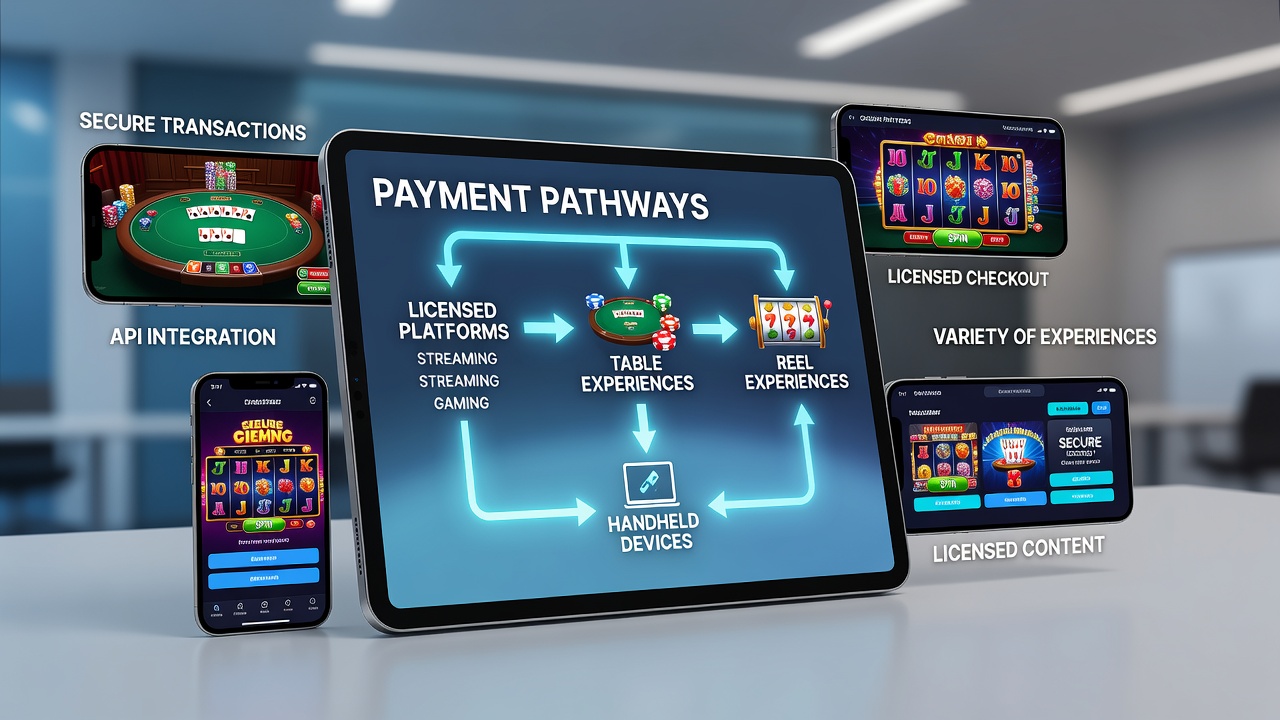
Instant withdrawal options further distinguish modern pathways, as licensed platforms route confirmed winnings back to the originating method or an alternative one chosen by the user, all while preserving audit trails required by oversight agencies. In July 2026 several North American and European operators rolled out enhanced cross-border payment modules that respect varying regional rules yet deliver consistent performance for users accessing reel and table content from different locations. Those modules rely on API connections that verify player status in real time, preventing mismatches between account balances and active game sessions on smartphones.
Security Protocols and Licensing Requirements
Licensed platforms must embed multiple layers of authentication into every payment route, ranging from biometric checks on devices to backend monitoring that flags unusual patterns during reel spins or table bets. Industry associations such as the Alcohol and Gaming Commission of Ontario publish guidelines that detail how transaction data should be segregated from gameplay logs, ensuring regulatory audits can trace funds without compromising user privacy. Researchers at academic centers studying digital gaming economies have documented that platforms adhering to these layered protocols experience fewer compliance incidents, which in turn supports smoother operations across mobile reel and table offerings.
Encryption standards continue to advance, with many operators adopting quantum-resistant algorithms ahead of broader mandates, and this preparation helps sustain trust when users shift between payment methods mid-session on handheld devices. Data indicates that regions enforcing rigorous licensing for payment processors see greater adoption of mobile table games alongside traditional slots, because participants perceive lower risk when depositing and withdrawing through verified channels.
Regional Variations in Payment Pathway Adoption
Different regulatory frameworks shape how payment systems connect to mobile gaming, with some areas prioritizing open banking integrations while others emphasize digital currency pilots under controlled conditions. Australian oversight bodies, for instance, have examined how instant payment rails affect participation in both reel and live dealer formats on smartphones, producing reports that licensed operators reference when updating their own systems. European frameworks meanwhile stress consumer protection features within transaction flows, requiring clear displays of fees and limits before any funds transfer to slot or table game balances.
These variations create a diverse landscape where a single licensed platform may deploy region-specific payment modules, each tuned to local rules yet unified under one mobile application. Observers tracking adoption rates find that such customization supports broader access to varied game types without forcing users to manage multiple accounts or verification steps.
Conclusion
Payment pathways continue to evolve as the central link between licensed platforms and the full range of reel and table experiences available on handheld devices, supported by technical improvements and cross-jurisdictional coordination that keep transactions secure and compliant. As mobile hardware and network capabilities advance, these routes will likely incorporate additional verification tools and processing speeds that maintain continuity across game formats. Regulatory updates expected through 2026 and beyond will further refine how operators route funds while preserving the integrity of both slot mechanics and live table interactions for users worldwide.