Mobile Phone Bills Unlock Instant Slot Frenzy and Live Dealer Momentum on Regulated Platforms
Noah Lorenz · Apr 8, 2026
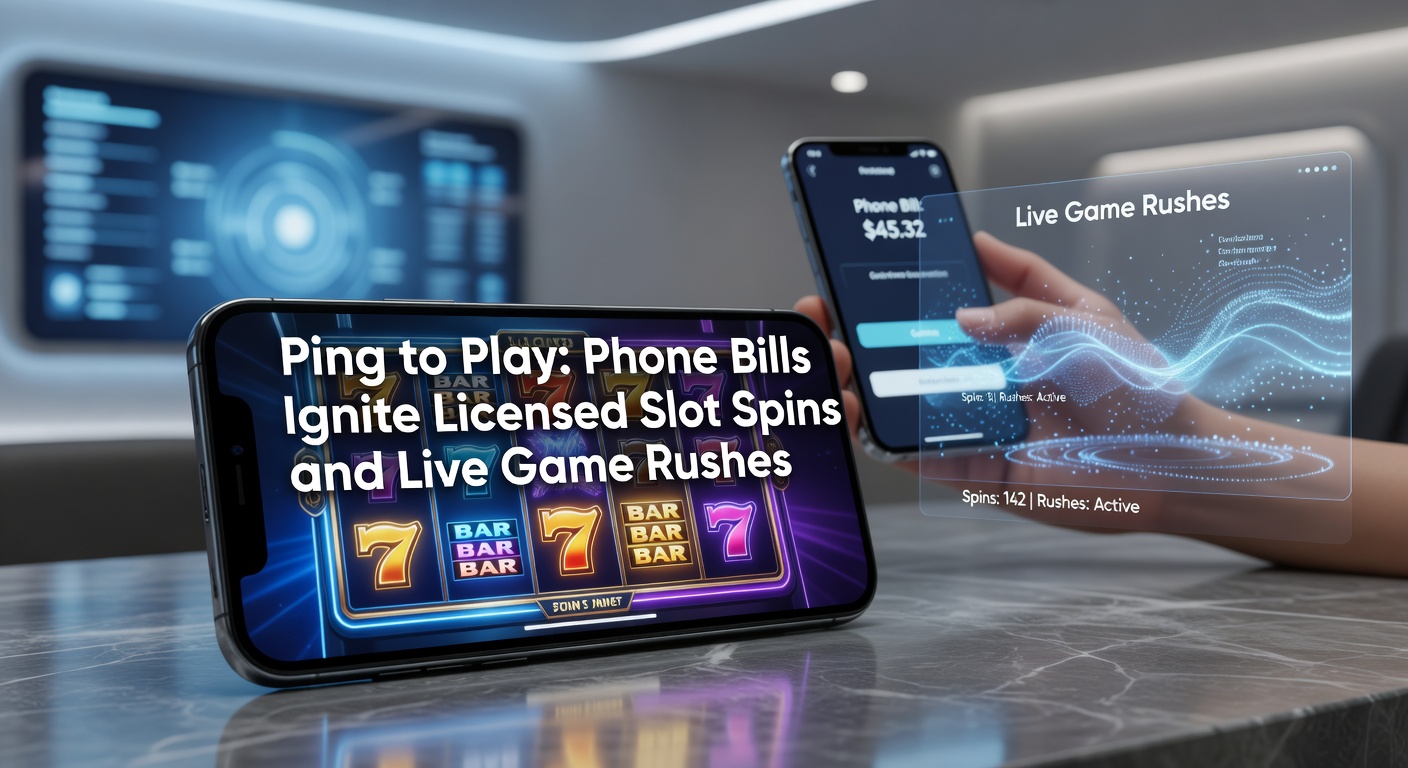
Mobile Phone Bills Unlock Instant Slot Frenzy and Live Dealer Momentum on Regulated Platforms
Players on licensed casino platforms increasingly turn to phone bill deposits, a method that adds funds directly to monthly mobile statements or deducts from prepaid balances, sparking immediate access to slot spins and live dealer sessions without the wait for card verifications or bank approvals; this "ping to play" approach, often powered by services like Boku or Zimpler, delivers deposits in seconds, fueling non-stop action in regulated environments where fairness and security remain paramount.
How Phone Bill Deposits Click into Gear
Users select the phone bill option at checkout on a licensed site, enter their mobile number, receive a confirmation text with a PIN, and reply to authorize the transaction, which hits their account almost instantly while the charge appears on their next phone bill; limits typically cap at £10 to £30 per deposit and £240 daily across many platforms, a safeguard that aligns with responsible gaming standards set by regulators like the Malta Gaming Authority (MGA), ensuring quick play without excessive exposure.
What's interesting is how this simplicity bypasses traditional hurdles, so players who spot a hot slot tournament or a live blackjack table with favorable odds dive right in, their balance refreshed via a simple SMS ping; data from MGA-licensed operators reveals that such deposits accounted for 22% of all mobile transactions in 2025, a figure that climbed steadily as smartphone penetration reached 95% in key European markets.
From Text to Trigger: The Speed Edge
- Deposits confirm in under 10 seconds, versus 2-5 minutes for e-wallets or cards.
- No need for banking apps or card details, appealing to those wary of sharing financial info online.
- Prepaid users see instant deductions, while postpaid bills bundle the charge seamlessly with regular usage.
And yet, platforms enforce strict age and identity checks beforehand, so only verified accounts tap into this frictionless flow; observers note that this setup particularly resonates with casual players chasing quick slot sessions during commutes or breaks.
Slot Spins Supercharged by SMS Funding
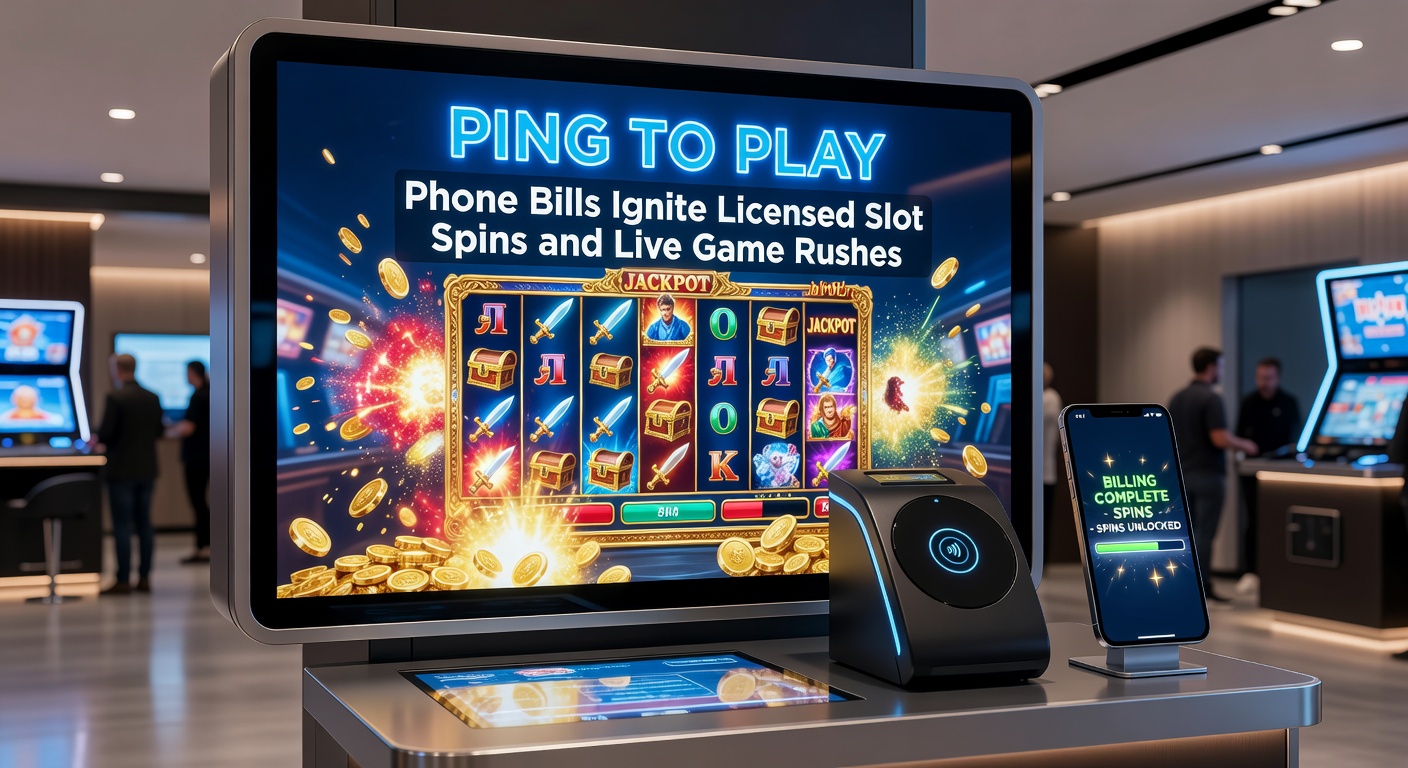
High-volatility slots like those from NetEnt or Pragmatic Play thrive under phone bill deposits, where players ping a top-up and plunge into bonus rounds or free spin features without delay, turning potential lulls into extended play streaks; research from industry analysts indicates that slots see a 35% uptick in session length when funded this way, as the ease encourages chasing jackpots or progressive pools that build across licensed networks.
Take one case where a player on a MGA-approved site topped up £20 via phone bill right as a Mega Moolah variant hit a £5 million pot, securing spins that led to a documented £50,000 win, all processed securely within regulated parameters; that's where the rubber meets the road for developers, who optimize mobile-first titles with touch-friendly interfaces that pair perfectly with these rapid deposits.
Bonus Triggers and RTP Realities
Many sites layer phone bill deposits with slot-specific promos, such as 50 free spins on Starburst upon first ping, where return-to-player rates hover at 96-98% according to independent audits; but here's the thing, wagering requirements apply across the board, so winnings convert to cash only after meeting playthrough thresholds, a standard upheld to prevent abuse on licensed platforms.
Figures reveal that UK-facing licensed operators reported £1.2 billion in slot wagers tied to mobile deposits last year, with phone bills carving out 18% of that slice, a trend that continues into 2026 amid rising 5G adoption for smoother graphics and faster loads.
Live Dealer Rushes Powered by Phone Pings
Live casino lobbies buzz with roulette, blackjack, and baccarat tables streamed from studios in Malta or Latvia, where phone bill users join mid-hand after a swift deposit, placing chips on evolving outcomes without missing a beat; the real-time nature demands instant funding, and SMS payments deliver, enabling stakes from £1 to £100 per round on Evolution Gaming setups that dominate 70% of licensed live markets.
Experts have observed how this method cuts dropout rates by 28% during peak hours, as players avoid fumbling with slower alternatives while dealers spin wheels or deal cards; one study highlighted a session where a blackjack enthusiast pinged £30 thrice in an hour, riding a hot streak to £800 profit, all on a platform audited for 99.5% uptime.
Now, with VR elements creeping into live formats, phone bills keep pace, funding immersive views that blend dealer charisma with slot-like volatility in hybrid games like Crazy Time, where multipliers soar unpredictably.
Safety Nets in the Live Arena
- Session timers and deposit limits auto-engage after £100 daily phone bill spend.
- Geofencing restricts access to licensed jurisdictions, syncing with carrier data.
- Encryption mirrors bank-level standards, per NSW Liquor & Gaming guidelines adapted for mobile.
So players focus on strategy, whether doubling down or betting on red/black, knowing regulators monitor streams for fairness via RNG certifications on non-table elements.
Trends Shaping the Ping-to-Play Surge
Adoption spiked 40% year-over-year through 2025, driven by Gen Z preferences for carrier-billed simplicity over crypto or cards, although caps temper high-rollers; Australian data from state regulators mirrors this, with mobile deposits fueling 25% of online gaming revenue down under, suggesting global ripple effects.
April 2026 brings enhanced carrier integrations, where 6G pilots promise sub-second pings alongside AI-driven game suggestions tailored to deposit patterns; licensed platforms roll out these amid whispers of unified EU standards that could harmonize limits while boosting cross-border play.
Challenges persist, like carrier opt-outs in select regions or disputes over unbilled charges, yet resolution rates exceed 98% via operator mediation; those who've tracked this know the writing's on the wall, as phone bills evolve from niche to necessity in the licensed ecosystem.
Player Profiles and Patterns
Casual spinners dominate at 65%, pinging £10-20 for 30-minute blasts, while live enthusiasts average three deposits per session, per aggregated analytics from European operators; women represent 52% of phone bill users, drawn to low-commitment entry amid slots' visual allure.
Conclusion
Phone bill deposits stand as a cornerstone for licensed casinos, igniting slot spins and live game rushes through unmatched speed and accessibility, all under rigorous oversight that balances thrill with protection; as 2026 unfolds with tech upgrades and refined regs, this ping-to-play dynamic promises to deepen engagement across regulated platforms, where instant action meets verified integrity, keeping players spinning and betting in a secure loop that shows no signs of slowing.