Mapping Digital Trails: Secure Transactions Powering Mobile Roulette and Blackjack Adventures
Freya Vogel · Jul 9, 2026
Mapping Digital Trails: Secure Transactions Powering Mobile Roulette and Blackjack Adventures
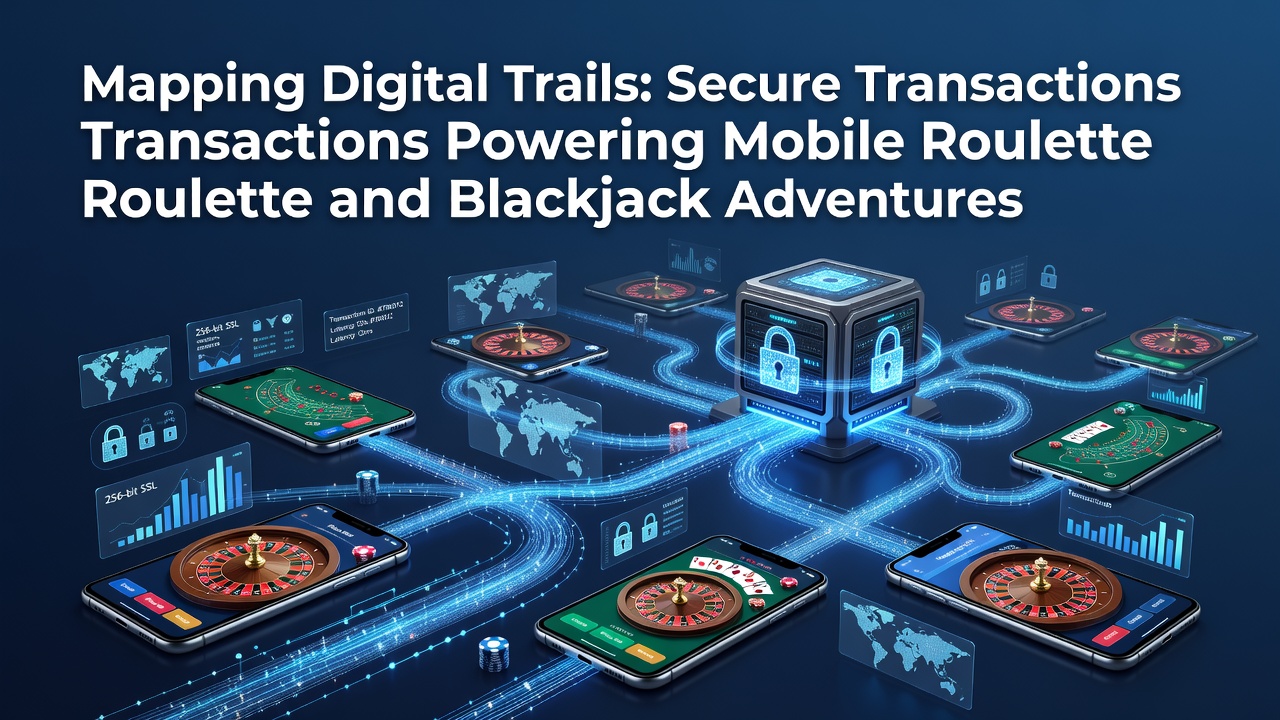
Secure transaction systems create detailed digital trails that support mobile roulette and blackjack play across regulated markets. These trails consist of encrypted logs, verification records, and audit data that track every deposit, wager, and withdrawal. Operators rely on them to meet compliance standards while players access games through smartphones without exposing sensitive details. Payment processors integrate tokenization methods that replace card numbers with unique identifiers. This approach limits exposure during transfers and generates traceable sequences for each session. Mobile applications for roulette and blackjack incorporate these layers alongside biometric checks such as fingerprint or facial recognition to confirm user identity before processing funds. Data from industry reports shows mobile gaming transactions grew steadily through 2025, with further acceleration noted into July 2026 as operators expanded real-time verification tools. Systems now record timestamps, device identifiers, and geolocation markers that form comprehensive maps of activity. Regulators in multiple jurisdictions review these records to confirm adherence to responsible gaming protocols and anti-money laundering requirements.Encryption Standards and Audit Mechanisms
End-to-end encryption protects data streams between player devices and game servers during roulette spins and blackjack decisions. Standards such as TLS 1.3 combined with AES-256 algorithms secure the pathway, while session keys rotate frequently to reduce interception risks. These measures produce immutable logs that auditors examine for irregularities.
Organizations including the Nevada Gaming Control Board publish guidelines that emphasize continuous monitoring of transaction flows. Similar frameworks appear in Australian state regulations and European licensing bodies, where operators must retain records for specified periods. The resulting digital trails enable rapid detection of patterns that might indicate unauthorized access or policy violations.
Payment Methods Shaping Mobile Play
Digital wallets and bank transfers dominate deposits for mobile roulette and blackjack titles. Each method leaves distinct markers in the transaction chain, from initial authorization through settlement. Instant verification reduces wait times, allowing players to move directly into live dealer environments or automated table simulations.
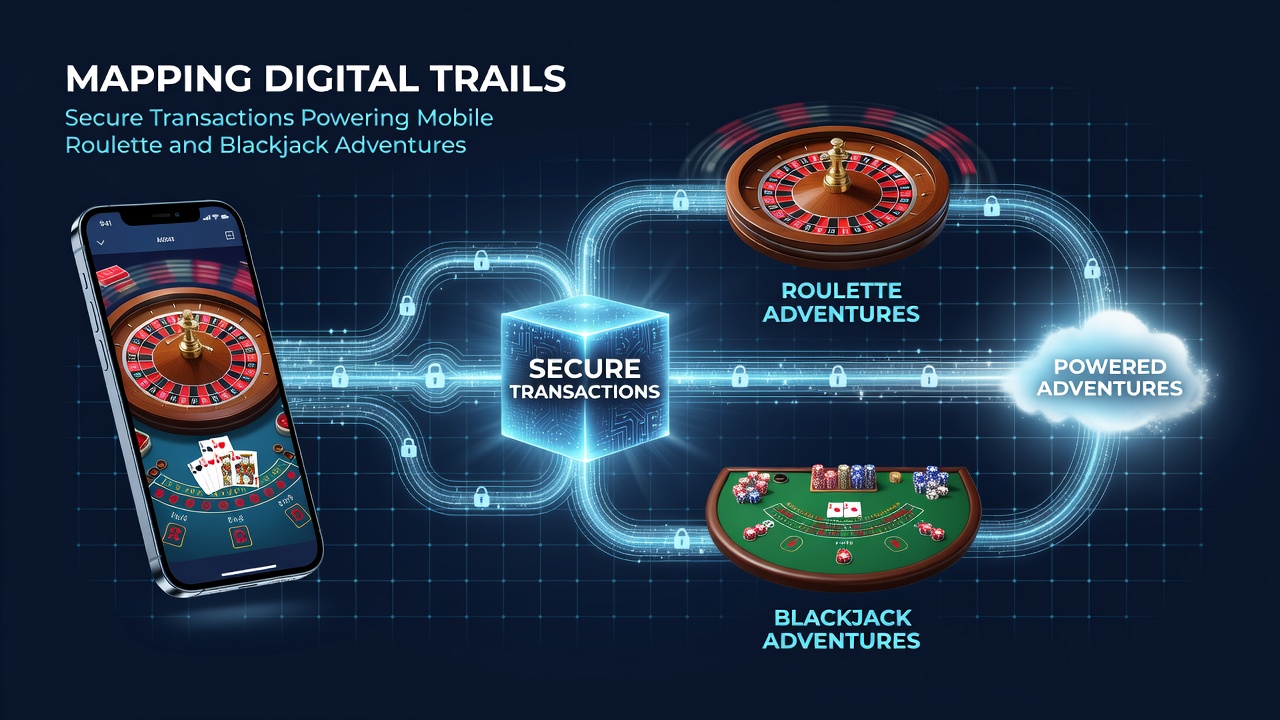
Research from the University of Nevada, Reno gaming laboratory indicates that token-based systems cut fraud attempts by measurable margins in tested environments. Operators integrate these findings into platform updates, refining how trails capture every step from wallet selection to payout confirmation. Multi-factor authentication adds another layer, requiring secondary approval before large transfers proceed.
Regional Approaches to Transaction Tracking
Markets outside the UK demonstrate varied strategies for managing digital trails. Canadian provincial regulators require operators to maintain separate ledgers for player funds, while Singaporean authorities focus on centralized reporting portals that aggregate transaction metadata. These differences create diverse models yet share teh common goal of preserving verifiable records.
Industry groups such as the American Gaming Association compile statistics showing increased adoption of blockchain elements for enhanced traceability in select jurisdictions. Although full integration remains limited, pilot programs test immutable ledgers that append each roulette bet or blackjack hand outcome to a distributed chain. Such experiments generate additional data points without altering core gameplay mechanics.
Player Experience and Security Balance
Users interact with these systems through simplified interfaces that mask the underlying complexity. One-tap deposits trigger background processes that validate funds, update balances, and log every action. Withdrawal requests follow parallel paths, with automated checks scanning the accumulated trail for consistency before release.
Case examples from licensed operators illustrate how quick resolution of discrepancies maintains trust. When a transaction flag appears, support teams reference the mapped sequence to verify details within minutes. This efficiency stems directly from structured logging practices that connect device activity, payment authorization, and game results into coherent records.
Future Developments in Transaction Mapping
Advancements scheduled for rollout after July 2026 include expanded use of artificial intelligence to analyze transaction patterns in real time. These tools scan trails for anomalies across thousands of simultaneous mobile sessions, flagging issues before they escalate. Integration with emerging standards from international bodies promises greater interoperability between different regulatory frameworks.
Observers note that continued refinement of these systems supports broader access to mobile roulette and blackjack while preserving accountability. The emphasis remains on creating transparent, auditable pathways that protect both operators and participants through precise documentation of every financial movement.
Conclusion
Digital trails generated by secure transactions form the backbone of mobile roulette and blackjack operations. They enable compliance, reduce risk, and deliver seamless player experiences across devices. As technology evolves, these mapped records will continue to underpin regulated gaming environments with increasing precision and scope.