Licensing Standards Shape Slot Availability and Bonus Frameworks in Licensed Markets
Freya Vogel · Jun 13, 2026

Licensing Standards Shape Slot Availability and Bonus Frameworks in Licensed Markets
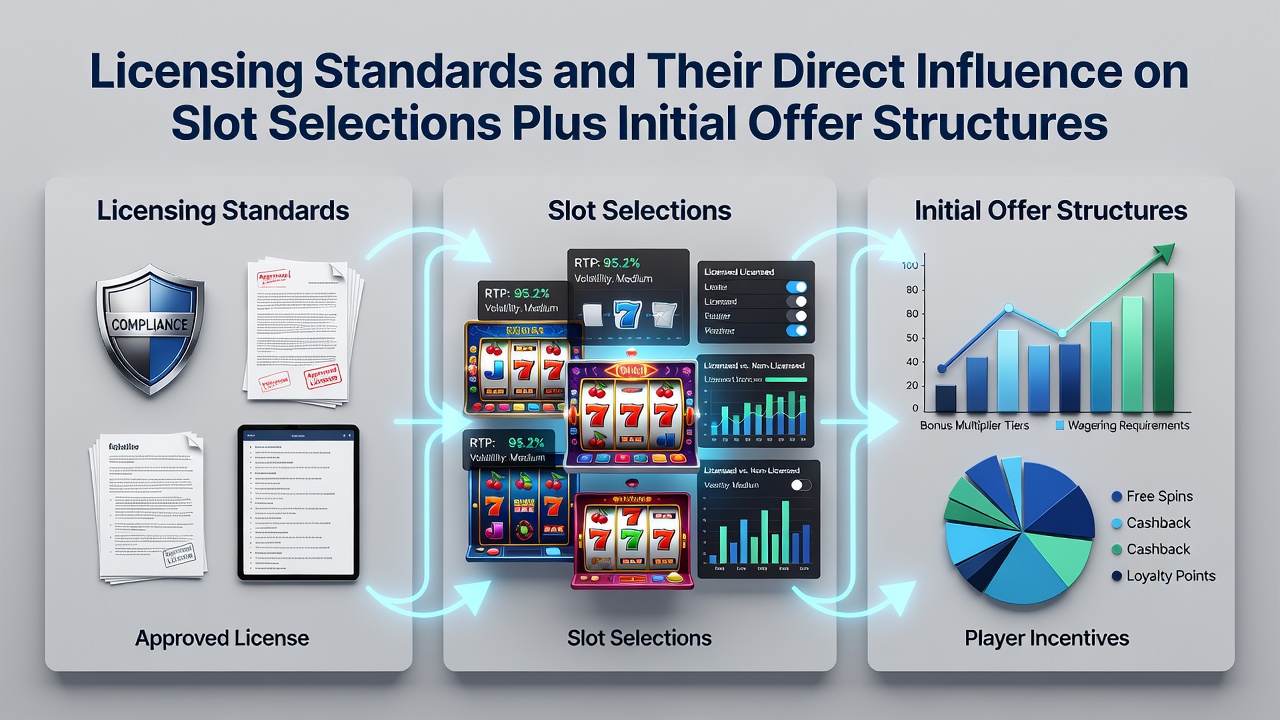
Regulatory frameworks establish clear parameters that operators must meet before they can offer games or promotions, and these requirements directly determine which slot titles reach players along with the precise structure of welcome packages. Data from multiple oversight bodies shows that licensing criteria often mandate independent testing for game fairness, minimum return-to-player percentages, and restrictions on volatility levels, which in turn limits the pool of available slots to those meeting documented standards. Observers note that jurisdictions enforce provider approvals through rigorous audits, meaning casinos cannot simply add any title to their library without prior clearance. This process filters selections toward established developers whose games carry certification from recognized laboratories, while newer or untested releases face delays or outright exclusion until compliance documentation clears review.Slot Selection Criteria Under Licensing Rules
Standards set by state and national regulators require slots to undergo mathematical verification for random number generation and payout consistency before deployment. Research from industry associations indicates that these checks result in libraries dominated by titles from a handful of pre-approved studios, since operators prioritize speed to market over broader experimentation. One study revealed that operators in tightly regulated zones maintain rosters averaging 30 percent fewer unique games compared to less prescriptive environments, because each addition demands separate licensing fees and compliance verification.
Yet the same rules create opportunities for operators who specialize in certified content, allowing them to highlight compliance as a competitive advantage when attracting players who value documented fairness. Figures from regulatory reports show that slots passing these thresholds typically advertise their tested RTP ranges directly in game information panels, giving players transparent data at the point of selection.
Initial Offer Structures Tied to Compliance Mandates
Licensing conditions frequently cap bonus amounts, define maximum wager contributions during promotional play, and impose standardized wagering requirements that operators must publish in full terms. These constraints stem from consumer protection clauses embedded in license applications, which regulators review before granting operational approval. Evidence collected across North American and European markets demonstrates that welcome packages in licensed venues tend toward smaller headline values paired with clearer playthrough conditions, whereas unlicensed platforms advertise larger figures without equivalent oversight.
Turns out these structural limits also affect game weighting within bonus terms, with regulators in several regions directing that slot contributions count at reduced rates compared to other verticals. This policy steers player behavior toward compliant titles while preventing operators from steering bonuses exclusively toward high-house-edge games. Data collected through annual compliance filings reveals consistent patterns where initial deposit matches and free spin allocations align with published thresholds rather than varying dramatically by operator.
Regional Variations in Application and Enforcement
Approaches differ sharply between markets. The Nevada Gaming Control Board maintains detailed game approval lists that operators must follow when refreshing slot floors, and similar documentation requirements appear in Canadian provincial frameworks. In contrast, Malta-based licensing for European operators emphasizes ongoing reporting on promotional activity, forcing regular updates to bonus structures whenever new compliance circulars issue. Those who track filings note that updates scheduled for June 2026 in certain jurisdictions will introduce additional documentation for progressive jackpot mechanics, which may further narrow the range of eligible slots operators can promote through initial offers.
Academic analyses from university research centers confirm that these layered requirements correlate with lower rates of player disputes over game outcomes and bonus fulfillment. The ball stays in the regulators' court when operators seek license renewals, so most align their slot catalogs and promotional language well in advance of audits to avoid sanctions.
Operational Impacts on Casino Platforms
Operators respond to these standards by investing in compliance teams and third-party testing partnerships, which adds overhead but also creates predictable content pipelines. Licensed sites therefore rotate new slots on predictable schedules tied to certification cycles rather than sudden market trends. This predictability extends to bonus design, where templates must incorporate fixed language about eligibility, expiration, and maximum winnings, all dictated by license conditions.
What's interesting is how these rules interact with player acquisition strategies. Marketing departments work within pre-approved offer structures when designing campaigns, leading to standardized welcome sequences that emphasize certified games and clearly stated terms. Industry reports from trade groups show that platforms operating under multiple licenses often maintain separate slot libraries and bonus variants for each jurisdiction to satisfy local criteria without cross-contamination of non-compliant elements.
Conclusion
Licensing standards function as gatekeepers that shape both the games operators can feature and the exact mechanics of their opening promotions. Through documented testing requirements, contribution rules, and promotional caps, regulators create consistent frameworks that influence daily decisions at licensed venues worldwide. As new compliance milestones approach in 2026, operators continue aligning selections and offer designs with evolving documentation standards to maintain their approved status across active markets.