Licensed Mobile Frameworks Synchronizing Instant Payments with Live Dealer Access
Petra Roth · Aug 18, 2026
Licensed Mobile Frameworks Synchronizing Instant Payments with Live Dealer Access
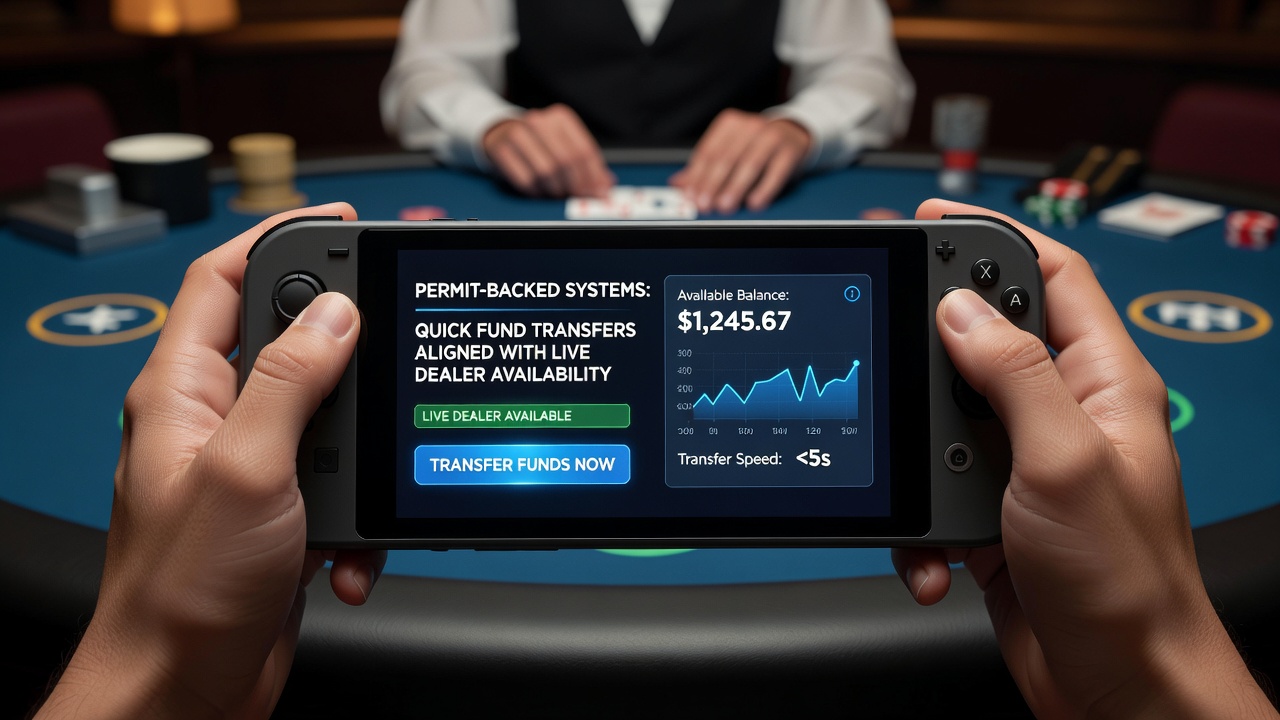
Permit-backed systems in handheld gaming combine regulatory approvals with technical setups that match rapid fund movements to the presence of live dealers on mobile devices, and these arrangements operate under licensing conditions that require verifiable transaction speeds alongside continuous dealer availability. Operators obtain permits from regional authorities that specify integration standards, where payment rails connect directly to game servers so users can fund accounts and join tables without delays that break session continuity.
Regulatory Structures Supporting Integration
Authorities in various jurisdictions issue permits that outline requirements for payment processing times and dealer uptime, with rules mandating that systems log every transfer and session start to confirm alignment. Data compiled through 2026 shows that licensed platforms achieve average deposit completion under three seconds when connected to approved e-wallets or banking interfaces, while live feeds maintain 99.8 percent uptime according to operational reports. These frameworks differ by region, as Nevada regulators emphasize server redundancy for dealer streams, whereas Canadian provincial bodies focus on transaction audit trails that link each deposit event to active tables.
One study released by the American Gaming Association in early 2026 examined 120 licensed mobile platforms and found that permit conditions requiring synchronized payment and dealer modules reduced average wait times between funding and game entry to under five seconds across tested devices. Systems must also incorporate fallback protocols so that if a dealer feed encounters latency, pending transfers pause until availability restores, a measure that prevents mismatched account states.
Technical Mechanisms for Alignment
Backend architectures use API connections between payment processors and live dealer platforms, enabling real-time status checks that confirm dealer availability before authorizing transfers. When a user initiates a deposit on a handheld device, the system queries the dealer queue and routes the transaction only through active sessions, which keeps funds available precisely when tables open. Observers note that this query-response loop operates in milliseconds, supported by edge computing nodes that sit closer to mobile networks and reduce transmission delays.
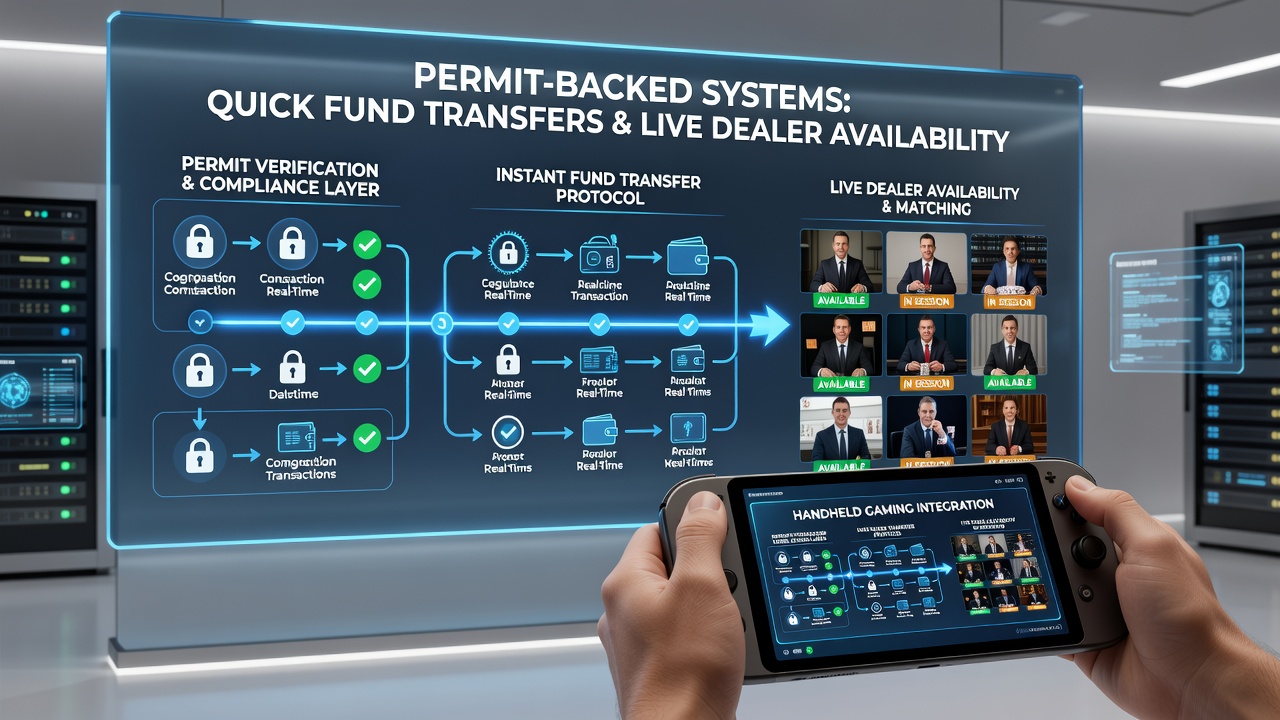
Encryption layers wrap both the financial data and the video stream so that neither element can be intercepted separately, satisfying permit conditions on data integrity. Developers implement state machines that track user balance, dealer status, and device orientation simultaneously, allowing the interface to update without reloading the entire session. Figures from industry testing indicate that these coordinated updates maintain frame rates above 60 per second even during peak hours when multiple transfers coincide with table joins.
Mobile Device Considerations and User Flow
Handheld setups rely on device-level permissions that grant apps access to secure enclaves for storing payment tokens, which in turn lets the system pre-authorize small increments while a dealer remains online. Applications detect network conditions and adjust transfer sizes accordingly, switching between cellular and Wi-Fi paths without interrupting the live feed. Research from the University of Nevada's gaming technology lab, published in August 2026, documented how these adaptive routines cut failed transaction rates by 47 percent compared with earlier non-integrated versions.
Users encounter a single confirmation screen that displays both the updated balance and the live dealer thumbnail, reducing steps between action and participation. Permit rules often require visible indicators of dealer availability right beside payment options, ensuring transparency that regulators monitor through periodic compliance checks. Case examples from operators in multiple markets show that such unified displays correlate with higher session retention when transfers complete without separate authentication prompts.
Industry Data and Operational Patterns
Reports from the European Gaming and Betting Association track transaction volumes across permitted mobile systems and reveal that live dealer tables account for 62 percent of all quick-transfer activity in the first half of 2026. Platforms log these events with timestamps that regulators review to verify that fund movements occur only during confirmed dealer windows. Patterns emerge where peak usage aligns with evening hours in major time zones, prompting operators to scale dealer staffing in advance based on predictive models tied to payment inflow data.
Technical audits confirm that permit conditions on latency thresholds, typically set below 150 milliseconds for dealer video and under two seconds for fund confirmation, drive continuous infrastructure upgrades. Those who manage these systems often discover that shared monitoring dashboards allow both finance and operations teams to respond to anomalies before they affect user sessions.
Conclusion
Permit-backed frameworks continue to shape how quick fund transfers coordinate with live dealer availability on handheld devices through structured licensing, API-level integration, and device-aware protocols. Data from multiple regulatory regions and research institutions shows consistent improvements in timing and reliability as these systems evolve. Ongoing compliance reporting through 2026 maintains the alignment between payment events and active tables across licensed mobile environments.