How E-Wallets and Digital Transactions Alter Game Choices in Smartphone Casinos
Freya Vogel · Jun 11, 2026
How E-Wallets and Digital Transactions Alter Game Choices in Smartphone Casinos
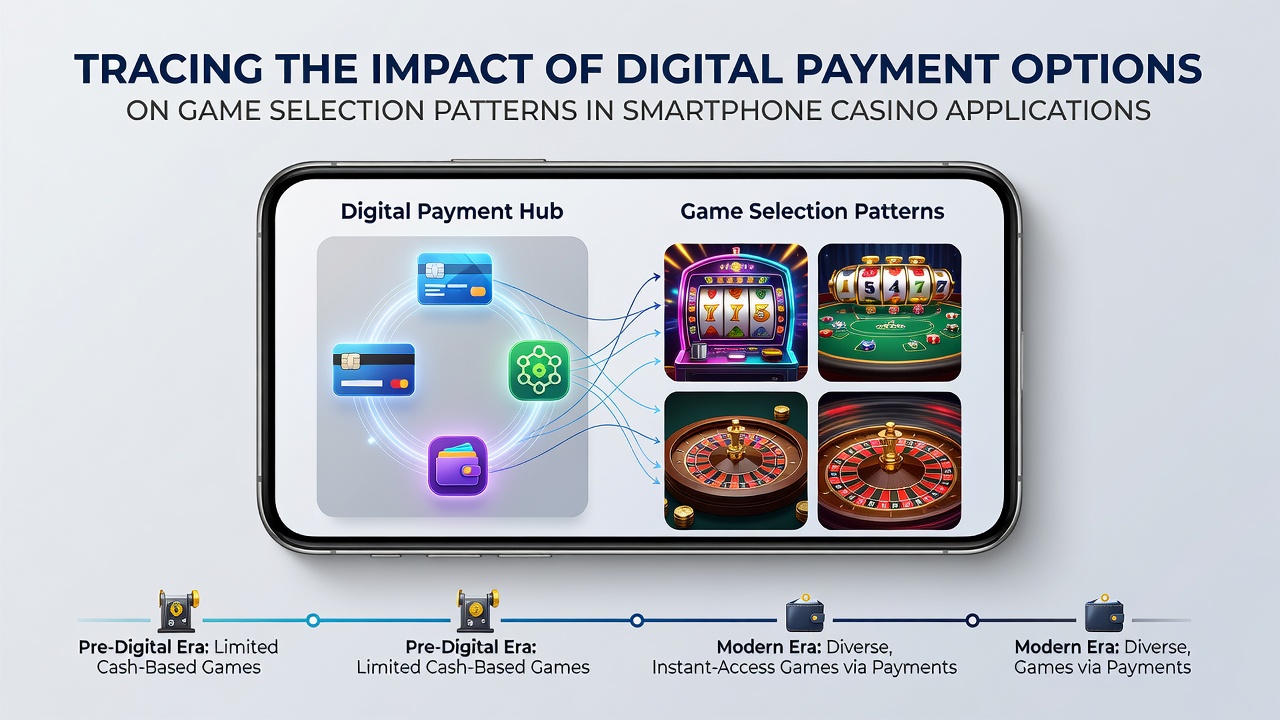
Data from industry tracking services shows that digital payment options have expanded rapidly across smartphone casino platforms since 2022, and this growth correlates with measurable changes in which games users select most often. Researchers tracking user behavior note that instant deposit methods encourage shorter, more frequent sessions while slower traditional options tend to pair with extended play on fewer titles.
Payment Speed and Game Type Correlations
Studies conducted by academic teams at several European universities reveal patterns where players using e-wallets gravitate toward high-volatility slots during brief mobile sessions. Those same datasets indicate that users relying on bank transfers or card processing spend longer stretches on table games such as roulette and blackjack. Observers note the connection appears tied to transaction confirmation times rather than any inherent preference shift.
Figures released in a 2025 report by the Canadian Gaming Association highlight a 34 percent rise in mobile slot engagement among accounts that adopted instant wallet funding during the prior twelve months. Meanwhile, live dealer traffic showed steadier growth among players who maintained card-based deposits. Analysts examining the numbers point out that these trends hold across multiple operator datasets collected from both regulated and offshore platforms.
Regional Data Patterns Emerging in 2026
By June 2026 several North American and Australian research groups had compiled comparable findings from anonymized transaction logs. One multi-year project coordinated through an Australian research institute tracked over 120,000 mobile accounts and documented that cryptocurrency deposits aligned with elevated selection rates for progressive jackpot titles. The same study recorded lower average session lengths for those accounts compared with users funding through established card networks.
Additional evidence from regulatory filings in New Jersey and Nevada shows parallel movement. Operators there reported that e-wallet adoption increased the share of sessions spent on video poker variants while decreasing time allocated to live dealer tables during weekday hours. Those patterns reversed on weekends when longer play windows became more common regardless of payment type.
Bonus Structures and Deposit Method Interactions
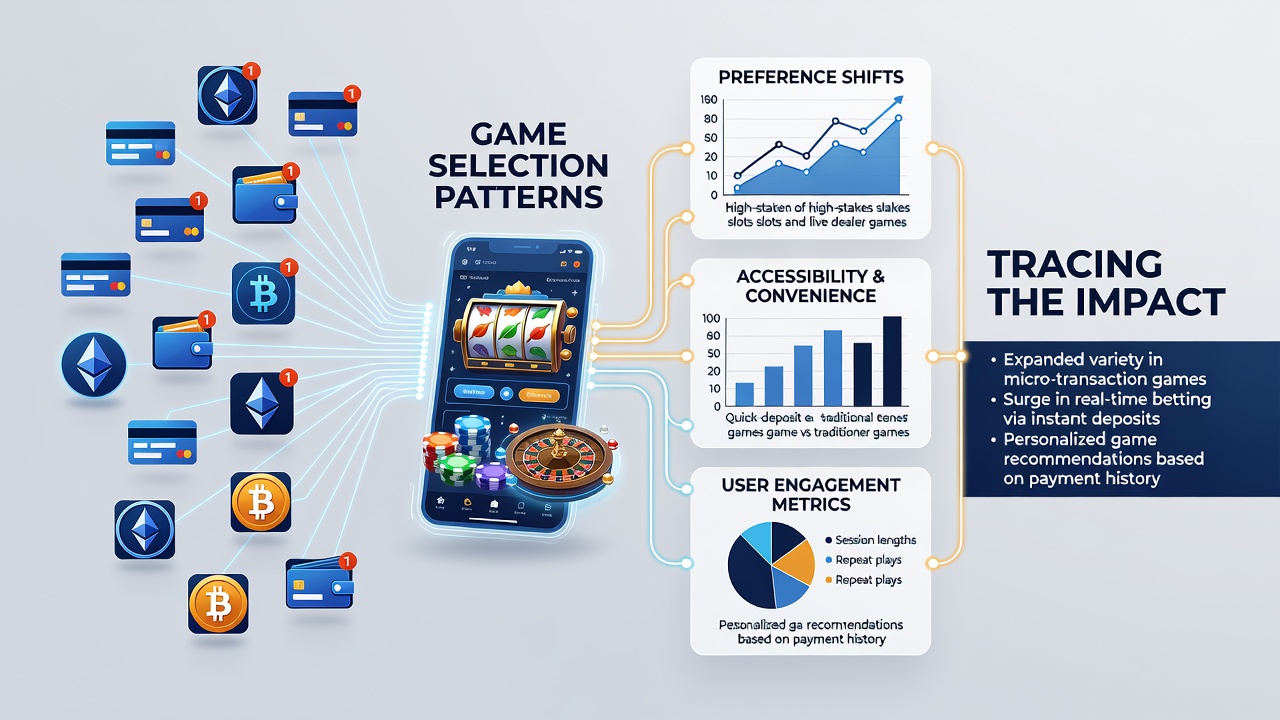
Platform operators have adjusted promotional mechanics to match observed behaviors. Data compiled by the European Gaming and Betting Association indicates that bonus offers requiring multiple deposits attract higher engagement with progressive slots when funded through instant wallets. In contrast, cashback promotions tied to card deposits show stronger association with table game volume across monitored apps.
One longitudinal analysis published in an academic journal examined transaction metadata from 2019 through early 2026. Researchers found that accounts switching from card to digital wallet funding within a six-month window increased their slot selection frequency by an average of 22 percent. Selection of live dealer titles remained relatively stable during the same transition periods.
Device and Interface Factors
Mobile interface design also plays a documented role. Heatmap studies shared by several app analytics firms demonstrate that payment confirmation screens positioned within two taps of the game lobby correlate with quicker returns to slot reels. When confirmation steps require additional navigation, users more often return to previously selected table games instead of exploring new titles.
Cross-border comparisons compiled by an international gaming research consortium reveal consistent directional trends. Markets where digital wallet penetration exceeds 60 percent among smartphone casino users display elevated slot-to-table ratios compared with regions where card payments remain dominant. The differences persist after controlling for average age and session frequency variables.
Conclusion
Available transaction and behavioral datasets indicate that digital payment speed influences both session duration and game category selection across smartphone casino applications. Researchers continue to collect longitudinal data to determine whether these patterns stabilize or evolve further as additional payment technologies reach broader adoption. Regulatory bodies in multiple jurisdictions have begun incorporating payment method analytics into routine market monitoring reports.