From Verification to Virtual Tables: How Payment Channels Shape Mobile Access to Roulette and Blackjack in Licensed Environments
Freya Vogel · Aug 1, 2026
From Verification to Virtual Tables: How Payment Channels Shape Mobile Access to Roulette and Blackjack in Licensed Environments
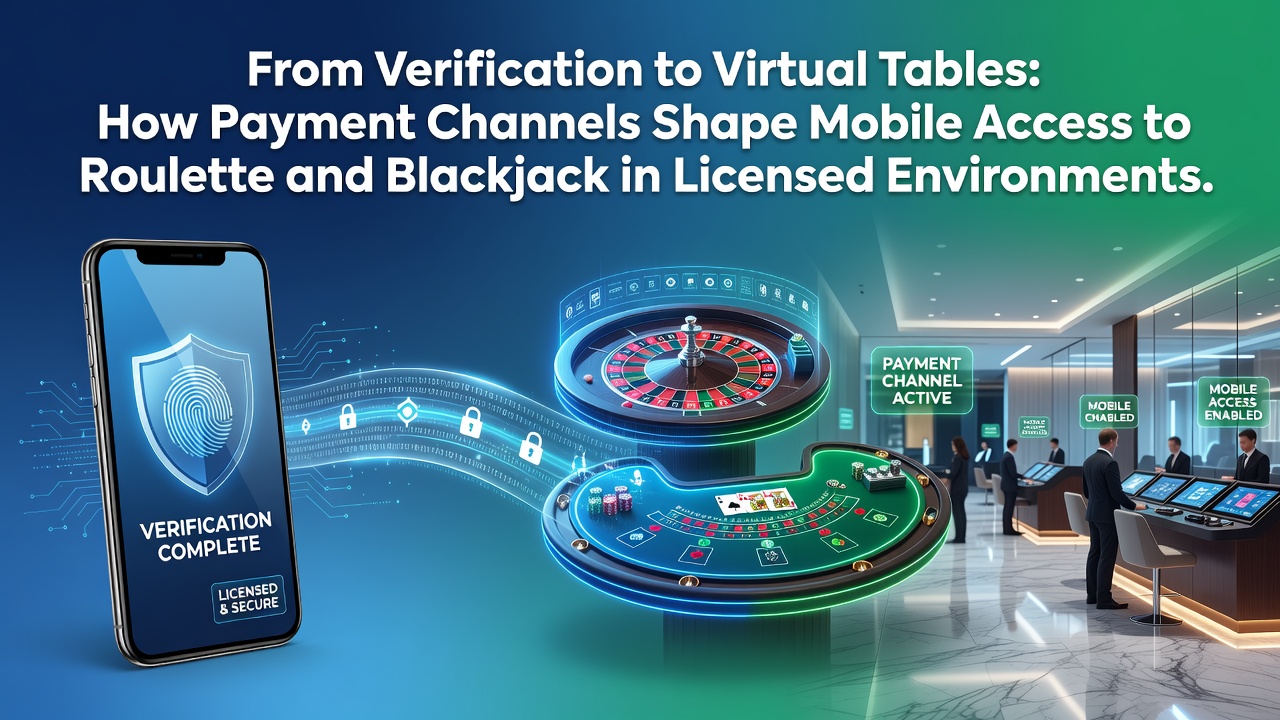
Payment channels in licensed gaming environments have evolved from basic deposit methods into integrated systems that handle verification, fund transfers, and real-time access to table games such as roulette and blackjack on mobile devices. These systems rely on secure protocols that confirm user identity before allowing play, while also supporting the transition from account funding to live virtual tables without interruption. Data from industry reports indicates that operators in regulated markets processed over 60 percent of table game sessions through mobile payment integrations by mid-2025, with further growth noted in subsequent periods.
Verification Processes and Their Impact on Mobile Entry
Verification begins when users link a payment method to a licensed account, and operators apply checks that combine document uploads with automated database queries to confirm age and location compliance. This step determines whether players can proceed to games like roulette, where wheel spins require confirmed balances, or blackjack, where decisions unfold in real time against virtual dealers. Observers note that streamlined verification reduces average setup time from several minutes to under 30 seconds in many platforms, allowing quicker entry into mobile sessions while maintaining regulatory standards across jurisdictions.
Payment channels incorporate multi-factor authentication that ties directly to banking details or e-wallet services, and this linkage ensures funds move securely before virtual table access opens. Researchers at the University of Nevada Las Vegas Gaming Innovation Lab have documented how such integrations cut fraud attempts by measurable margins in controlled studies, particularly when applied to high-volume games like blackjack. And yet the process remains invisible to most users once completed, since background systems handle the heavy lifting without pausing gameplay.
From Deposits to Virtual Tables in Real Time
Once verification clears, payment channels route funds into player wallets that sync instantly with mobile game servers hosting roulette and blackjack variants. Virtual tables appear through live streams or RNG-based interfaces, and the same channel that processed the initial deposit often manages in-game wagers without requiring separate logins. Studies from the Nevada Gaming Control Board show that licensed operators using unified payment rails recorded higher session continuity rates compared with fragmented systems, especially during peak evening hours when mobile traffic spikes.
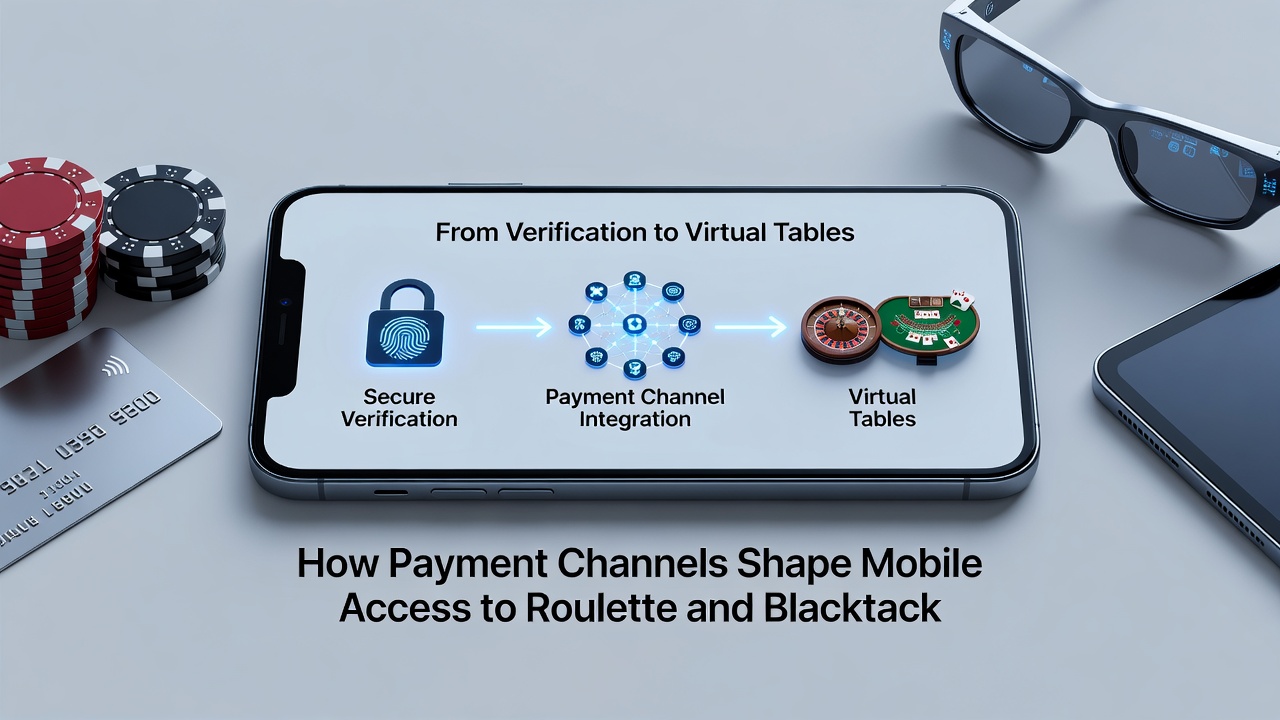
August 2026 brought additional updates to cross-border payment standards in several licensed markets, and these changes allowed operators to expand mobile table offerings while preserving verification integrity. Blackjack tables, for instance, now accommodate side bets funded through the same verified channel, and roulette wheels spin after balance confirmations that occur in milliseconds. Those who've examined platform logs report fewer dropped connections during fund transfers, a direct result of tighter integration between payment processors and game engines.
Security Measures and Regulatory Alignment
Licensed environments mandate encryption layers around every payment transaction tied to mobile roulette or blackjack play, and these safeguards extend from initial deposit through cashout requests. Industry associations such as the European Gaming and Betting Association have published guidelines that emphasize tokenization of card details, reducing exposure during virtual table sessions. Data indicates that platforms adhering to these standards experience lower dispute volumes, since transaction histories remain traceable from verification onward.
Payment channels also support responsible play tools that cap deposits or session lengths directly within the mobile interface, and these controls activate automatically once verification confirms eligibility. Blackjack players can set loss limits that apply across multiple virtual tables, while roulette enthusiasts benefit from the same unified system without switching apps. What's interesting is how these features operate seamlessly because the underlying payment infrastructure already validates user parameters at login.
Trends in Mobile Table Game Accessibility
Operators continue to refine payment flows to accommodate growing demand for on-demand access to roulette and blackjack, and mobile-first designs now prioritize one-tap funding after the first verified session. Reports from the Australian Communications and Media Authority highlight similar patterns in regulated markets where payment channel upgrades correlated with increased table game participation rates on smartphones. The shift has prompted developers to embed payment status indicators within game lobbies, so players see available balances before selecting a virtual table.
Case examples from multiple jurisdictions demonstrate that faster payment reconciliation leads to longer average play durations on mobile blackjack and roulette without compromising compliance checks. And the ball remains in the operators' court to maintain these standards as new devices and payment technologies emerge.
Conclusion
Payment channels have become the backbone that connects verification steps to immediate virtual table access for roulette and blackjack in licensed mobile environments, and their continued evolution supports both security and convenience across global regulated markets. Evidence from regulatory and academic sources shows measurable improvements in session reliability and fraud reduction when these systems operate in tandem. As platforms adapt to emerging standards, the focus stays on maintaining seamless transitions from verified deposits to live game play without introducing unnecessary friction.