Exploring Authorization Protocols for Flexible Payment Systems in Virtual Gaming
Freya Vogel · May 30, 2026

Exploring Authorization Protocols for Flexible Payment Systems in Virtual Gaming
Authorization protocols for payment flexibility in virtual gaming have evolved through layered compliance frameworks that operators must satisfy before expanding transaction methods, and these standards incorporate identity verification, risk assessment modules, and transaction monitoring systems that align with regional statutes across multiple jurisdictions. Data from industry reports indicate that such expansions often require pre-approval from oversight entities, which evaluate factors like anti-money laundering controls and consumer protection measures before granting operators permission to integrate additional e-wallets or instant transfer services.
Core Elements of Authorization Frameworks
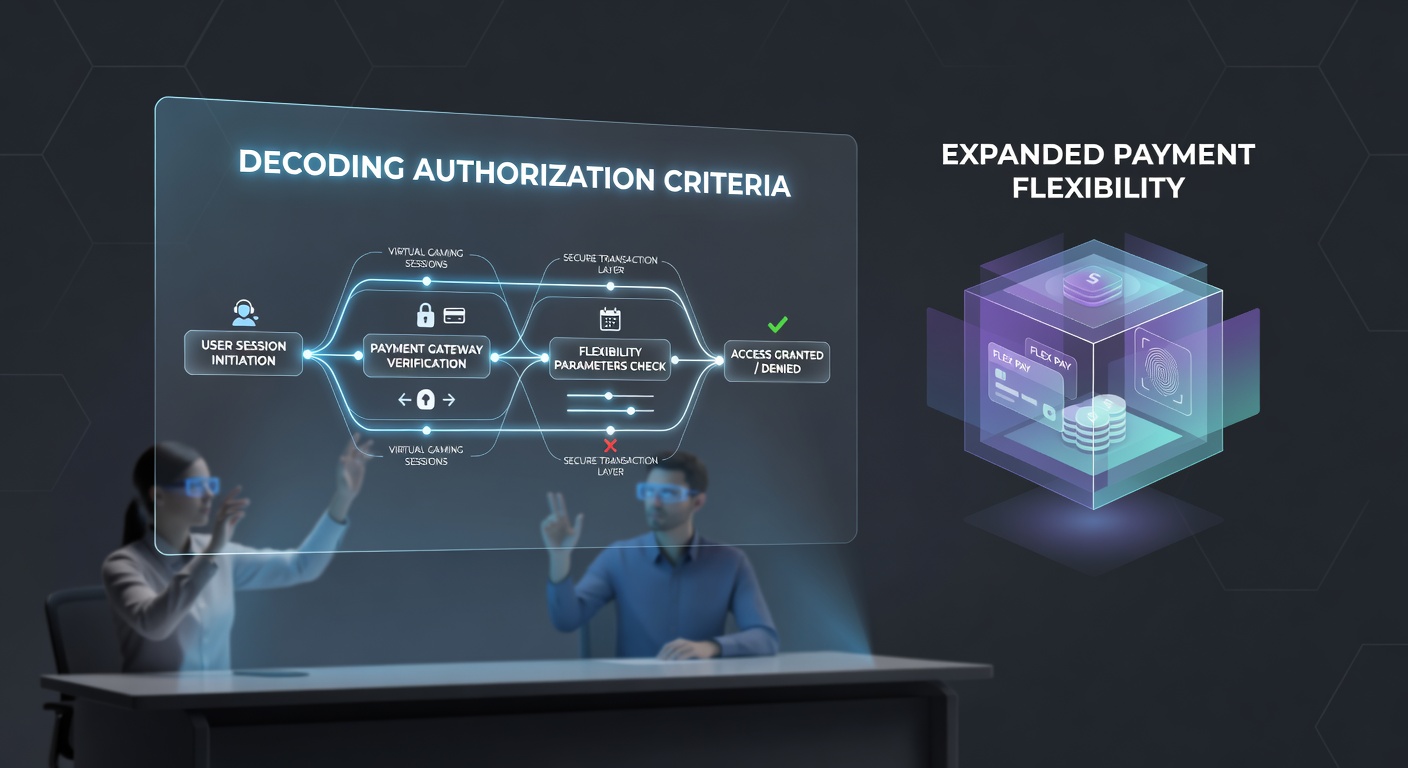
Regulatory bodies assess several interconnected criteria when reviewing requests for broader payment options, and these include documented procedures for age verification, source of funds checks, and integration with secure gateways that prevent unauthorized access during live sessions. Operators submit detailed technical specifications that demonstrate how new payment channels will interface with existing game servers while maintaining audit trails that regulators can review on demand, and this process typically spans multiple review stages that examine both backend infrastructure and user-facing interfaces.
What's interesting is how these frameworks prioritize interoperability standards that allow seamless shifts between deposit methods without interrupting gameplay, yet each addition undergoes scrutiny to ensure it does not introduce vulnerabilities in session continuity or data encryption protocols. Research from the University of Nevada's gaming studies program reveals that successful authorizations hinge on operators proving their systems can handle real-time reconciliation across currencies and time zones, which reduces discrepancies that might otherwise flag during routine compliance audits.
Regulatory Variations Across Regions
Different territories apply distinct lenses to the same core requirements, and in the United States several state-level commissions coordinate with federal guidelines to evaluate payment expansions on a case-by-case basis while Australian oversight bodies emphasize consumer harm minimization as a primary gatekeeper for new transaction features. The American Gaming Association has published guidelines that operators reference when preparing submissions, and these documents outline expectations around third-party audits that validate payment processor partnerships before launch.
Observers note that European authorities often require cross-border data sharing agreements when flexible payments span multiple countries, and this adds another dimension to the authorization timeline that can extend project rollouts by several months. Figures from the association's annual reports show that approval rates increase when operators incorporate predictive analytics tools capable of identifying unusual betting patterns linked to specific payment sources.
Technical and Operational Thresholds
Operators must demonstrate that expanded payment options maintain session integrity across devices, and this involves testing protocols that simulate high-volume scenarios where multiple transaction types occur simultaneously during extended play periods. Certification labs evaluate encryption strength, latency tolerances, and fallback mechanisms that activate if a primary payment channel encounters interruptions, and these tests form part of the evidence package submitted during the review process.
One documented case involved a European operator that gained clearance for additional instant withdrawal features only after implementing enhanced biometric confirmation layers that tied directly to player account profiles, and this adjustment addressed concerns about account takeover risks that regulators had flagged in preliminary assessments. Such examples illustrate how authorization decisions often require iterative refinements rather than one-time approvals.
Developments Anticipated by May 2026
Industry tracking indicates that several jurisdictions plan to introduce updated technical standards for payment authorization by May 2026, and these revisions focus on incorporating artificial intelligence modules that automate initial risk scoring before human reviewers examine edge cases. Operators preparing for these changes have begun mapping their current systems against draft specifications released by regional working groups, which helps identify gaps in transaction logging and reporting capabilities ahead of formal implementation dates.
Coordination between international bodies has accelerated discussions around harmonized criteria that could streamline approvals for operators active in multiple markets, and preliminary frameworks suggest greater emphasis on real-time monitoring dashboards that feed directly into regulatory portals. Data compiled by research institutions tracking these trends show increased investment in compliance technology as companies position themselves for the upcoming cycle of evaluations.
Conclusion
Authorization criteria for expanded payment flexibility rest on verifiable compliance with technical, operational, and regulatory benchmarks that vary by jurisdiction yet share common threads around security and transparency. Operators navigate these requirements through structured submissions and ongoing audits that confirm system reliability throughout virtual gaming sessions, while scheduled updates around May 2026 signal continued refinement of these standards across global markets.