Digital Trails in Gaming: How Purchase Records Drive Custom Suggestions Across Licensed Platforms
Noah Lorenz · Jun 23, 2026
Digital Trails in Gaming: How Purchase Records Drive Custom Suggestions Across Licensed Platforms
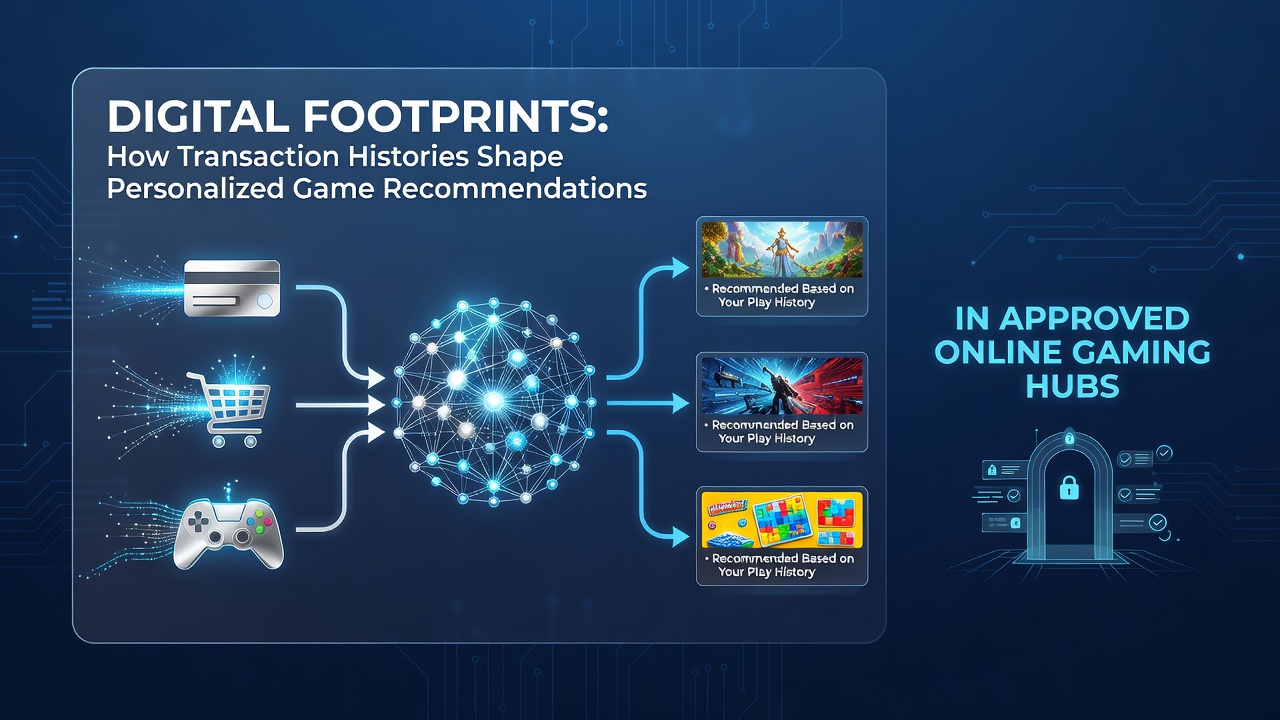
Transaction histories form the backbone of personalization systems in approved online gaming environments, where every deposit, withdrawal, and in-game purchase contributes to detailed user profiles that guide game suggestions, and platforms analyze these records continuously to match players with titles that align with established spending patterns and session durations.
Approved hubs collect data points including bet sizes, frequency of play, preferred payment methods, and time spent on specific categories, then feed this information into algorithms designed to predict future engagement, while operators maintain compliance with regional licensing requirements that mandate transparent data handling practices.
Mechanics of Data Collection and Profile Building
Every financial interaction leaves a record that systems categorize by game type, stake level, and outcome, allowing operators to segment users into groups such as high-frequency slot players or occasional table game participants; researchers at institutions like the University of Nevada's International Gaming Institute have documented how these segments receive tailored prompts that reference past activity to increase retention metrics.
Payment processor integrations capture additional layers such as transaction velocity and geographic origin of funds, and these details combine with behavioral logs to refine recommendation engines, yet strict separation protocols prevent cross-contamination between different regulatory jurisdictions.
Algorithmic Personalization in Licensed Environments
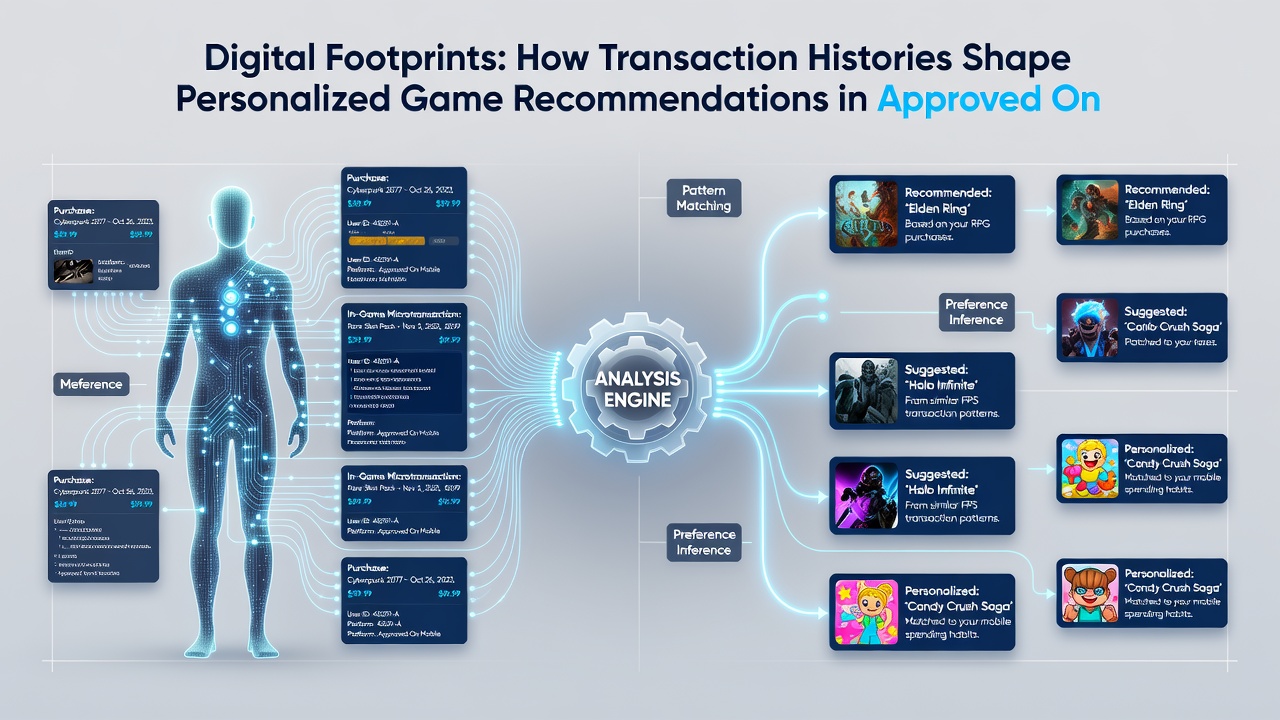
Machine learning models process historical transaction arrays to generate probability scores for various game genres, so a user who frequently initiates small-stake sessions on progressive jackpots might see increased visibility for similar titles during peak login times, while another pattern involving longer blackjack sessions triggers suggestions for live dealer variants with comparable pacing.
Real-time adjustments occur when new deposits alter a profile's trajectory, and platforms update recommendation queues within minutes of each verified transaction; data from the Australian Gambling Research Centre shows that such dynamic updates correlate with measurable shifts in average session length across monitored operators.
Regulatory Oversight Beyond Single Jurisdictions
Multiple oversight bodies enforce standards on data usage, including the Nevada Gaming Control Board in the United States and the Alcohol and Gaming Commission of Ontario in Canada, which require operators to document how transaction data informs personalization without exceeding consent boundaries established at account creation.
In June 2026, updates from the European Gaming and Betting Association emphasized standardized reporting formats that allow cross-border comparison of personalization outcomes, and these frameworks require explicit disclosure to users about the role transaction histories play in shaping what appears on their dashboards.
Impact on Player Experience and Platform Metrics
Players encounter fewer irrelevant suggestions when systems draw directly from verified payment histories rather than generic demographic assumptions, and this precision contributes to higher conversion rates on featured recommendations according to aggregated industry reports from the International Association of Gaming Regulators.
Case examples include operators who observed a 23 percent rise in cross-category exploration after implementing transaction-weighted suggestion algorithms, while another instance revealed reduced churn among users whose profiles incorporated withdrawal frequency alongside deposit patterns.
Privacy Safeguards and Data Retention Policies
Licensed platforms apply encryption standards and access controls that limit internal visibility of raw transaction sequences to authorized analytics teams, and retention periods typically align with regulatory minimums that range from three to seven years depending on the licensing authority's requirements.
Users retain rights to request data exports or profile adjustments through established channels, and operators must respond within defined timeframes set by regional data protection statutes that complement gaming-specific licensing conditions.
Conclusion
Transaction histories continue to serve as primary inputs for recommendation systems across approved gaming platforms, shaping how users discover new titles through patterns derived from actual financial activity rather than broad assumptions, while regulatory frameworks from diverse regions maintain consistent standards for transparency and consent that support ongoing development of these tools.