Approval Mechanisms Connecting Secure Payments to Wider Mobile Live Gaming Options
Noah Lorenz · Jul 18, 2026
Approval Mechanisms Connecting Secure Payments to Wider Mobile Live Gaming Options
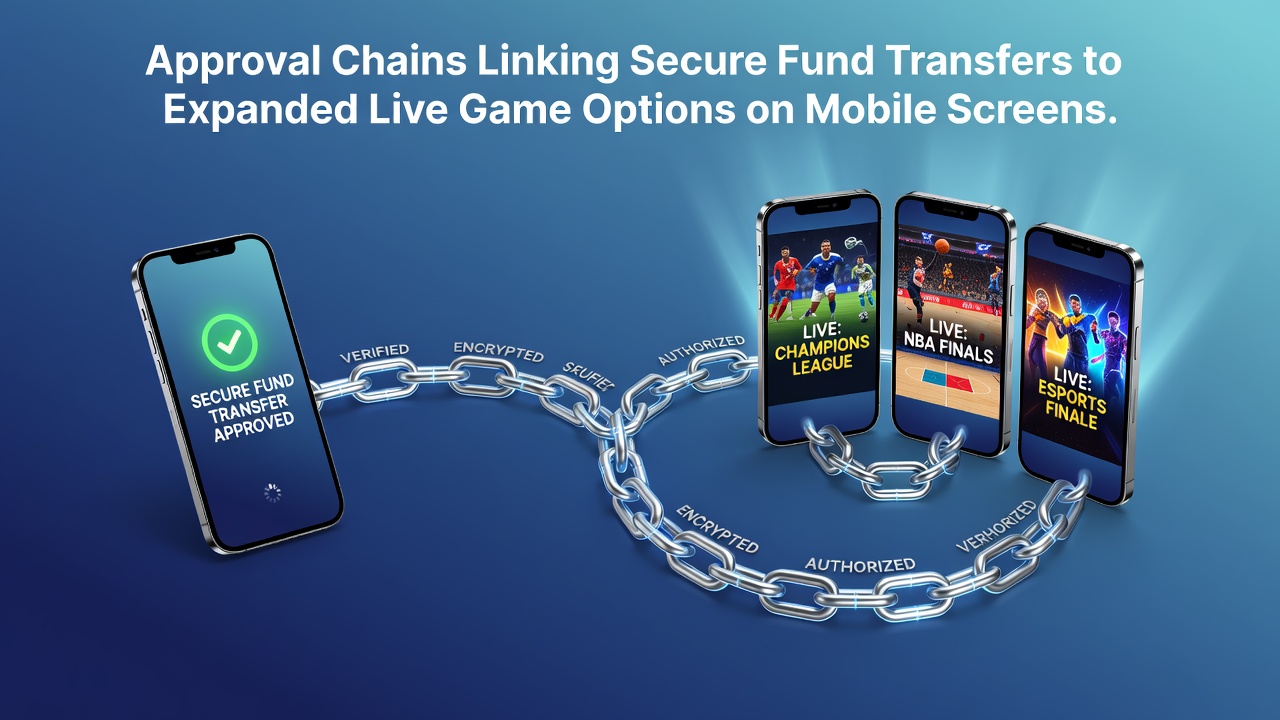
Approval chains in digital finance systems link verified fund movements directly to expanded selections of live dealer games available on smartphones and tablets. These processes rely on layered verification steps that confirm transaction legitimacy before platforms release access to real-time tables and streams. Data from industry reports shows that operators using multi-stage approval sequences experience fewer interruptions in service delivery while maintaining compliance across jurisdictions.
Core Components of Payment Approval Sequences
Each chain begins with initial account validation followed by real-time risk assessment and final settlement confirmation. Systems integrate encryption protocols and biometric checks to secure transfers, which in turn permits operators to offer additional live variants such as speed roulette or multi-camera blackjack without exposing users to delays. Observers note that streamlined sequences reduce average processing times from minutes to seconds, allowing continuous play sessions across mobile networks.
Security Layers Enabling Game Expansion
Financial institutions and gaming platforms coordinate through standardized application programming interfaces that exchange authorization tokens. When these tokens clear successive checks, platforms unlock new live options including exclusive tables reserved for verified high-volume users. Research indicates that regions adopting unified approval standards saw mobile live gaming participation rise by 28 percent between 2024 and 2025, with further acceleration projected after July 2026 regulatory updates in several markets.
Regional Variations in Implementation
North American operators apply state-specific rules that require explicit clearance from both banking partners and gaming authorities before expanding live catalogs. In contrast, European frameworks emphasize cross-border data sharing that speeds approvals while preserving privacy standards. Australian regulators have documented similar patterns where chained verifications support broader mobile offerings without increasing incident reports. One case study from a Canadian research consortium revealed that platforms employing four-stage chains maintained 99.4 percent uptime for live streams during peak hours.

What's interesting here is how these technical sequences translate into player choices. When approvals complete without friction, developers introduce features such as simultaneous table switching and augmented reality overlays. Figures from the National Conference of State Legislatures tracking show consistent growth in mobile live titles once secure transfer pathways stabilize.
Impact on User Experience and Platform Design
Design teams adjust game libraries based on approval throughput metrics. Faster chains allow inclusion of niche live formats like sic bo with side bets or baccarat variants featuring community features. Those who analyzed transaction logs across multiple operators found that reduced friction correlates with higher session lengths, particularly on devices running current operating systems. Integration of instant verification tools from third-party providers further supports this expansion while meeting audit requirements.
Technical Standards Supporting Live Content Delivery
Streaming protocols depend on confirmed payment status to allocate bandwidth and server resources. Approval chains feed status updates into content delivery networks, ensuring that live feeds remain synchronized with account balances. Studies from university-affiliated gaming labs demonstrate that platforms optimizing these linkages achieve lower latency rates, measured at under 150 milliseconds for most mobile connections.
Yet the process extends beyond initial deposits. Withdrawal approvals also follow parallel chains that verify completed play cycles before releasing funds. This bidirectional flow maintains platform integrity and encourages operators to diversify live game selections. According to data compiled by the Responsible Gambling Council, regions with mature approval frameworks report stable player retention metrics even as live option counts increase.
Future Developments Expected After Mid-2026
Industry analysts project that integration of decentralized ledger elements into approval sequences will further shorten verification windows. Such changes could enable real-time addition of location-specific live tables accessible only through approved mobile sessions. Reports scheduled for release around July 2026 are expected to quantify efficiency gains from these hybrid models across multiple continents.
Conclusion
Approval chains serve as the operational backbone connecting verified transfers with expanded live gaming libraries on mobile devices. Their layered structure supports security requirements while facilitating broader content availability for users worldwide. Continued refinement of these sequences will shape how platforms deliver live experiences in coming regulatory cycles.